 www.frogfish.ch

Antennarius striatus
(Shaw, 1794)
Striped Frogfish (Striated Frogfish, Splitlure Frogfish,
Zebra Frogfish, Hairy Frogfish)
Gestreifter Anglerfisch (Streifen Anglerfisch)
Pez rana rayado, Sapo, Murciélago
All frogfish-species (list / color / image) - Alle Anglerfisch-Arten (Liste / Farben / Bild)
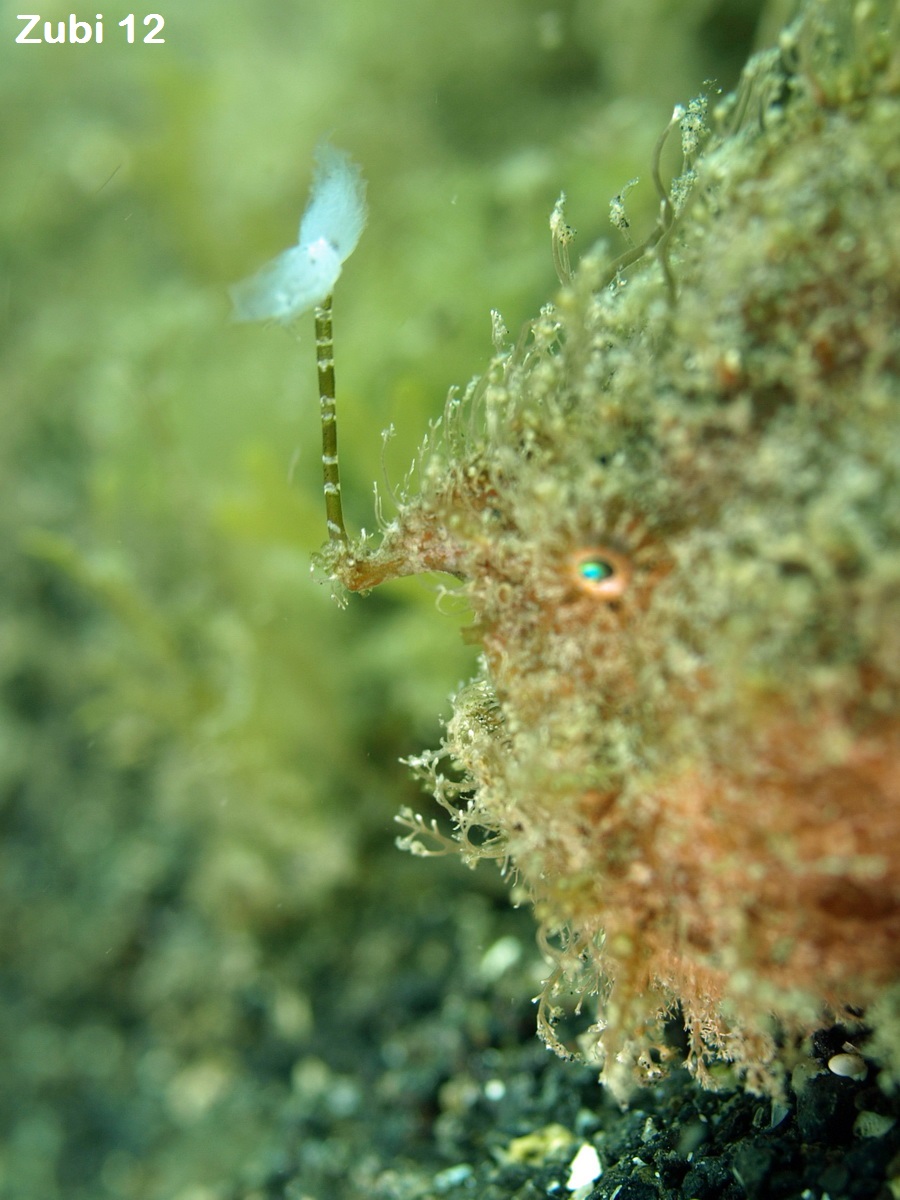
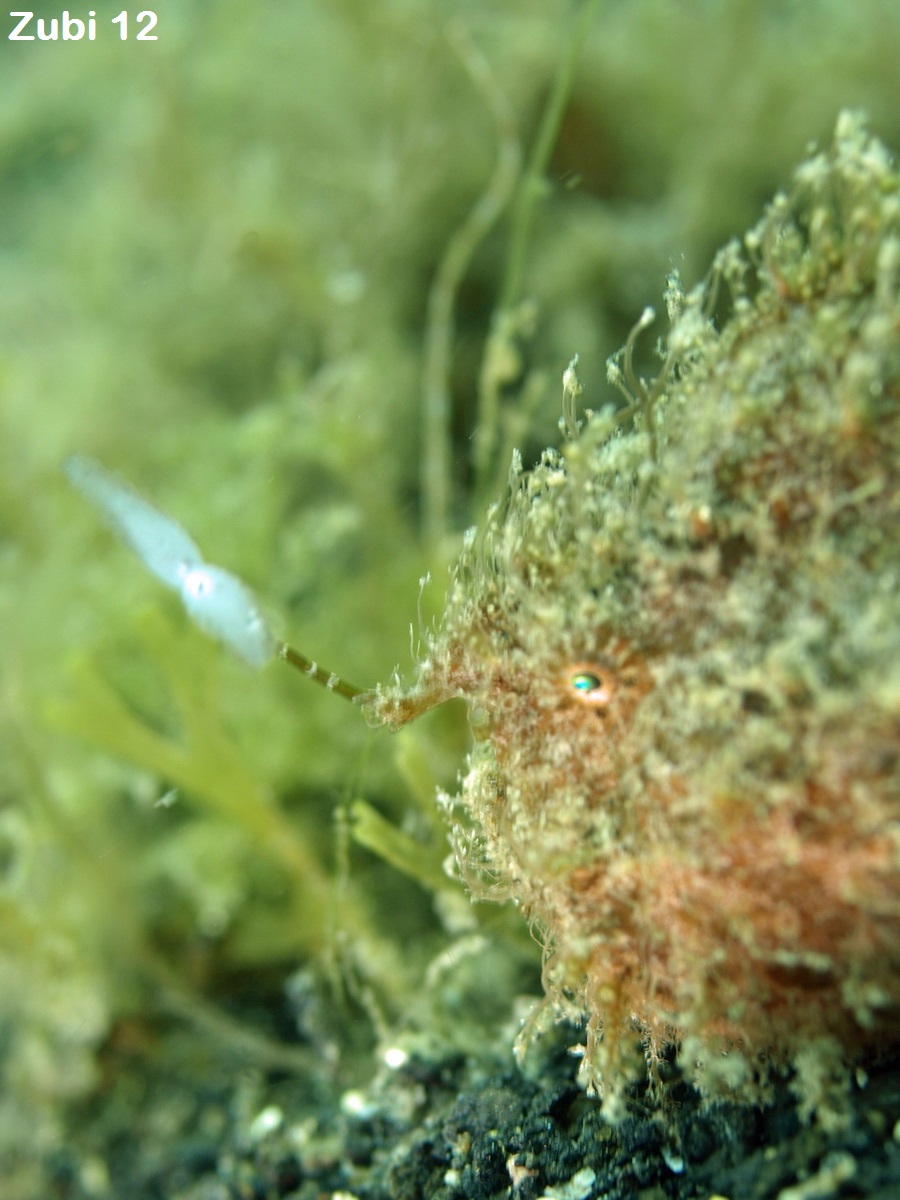
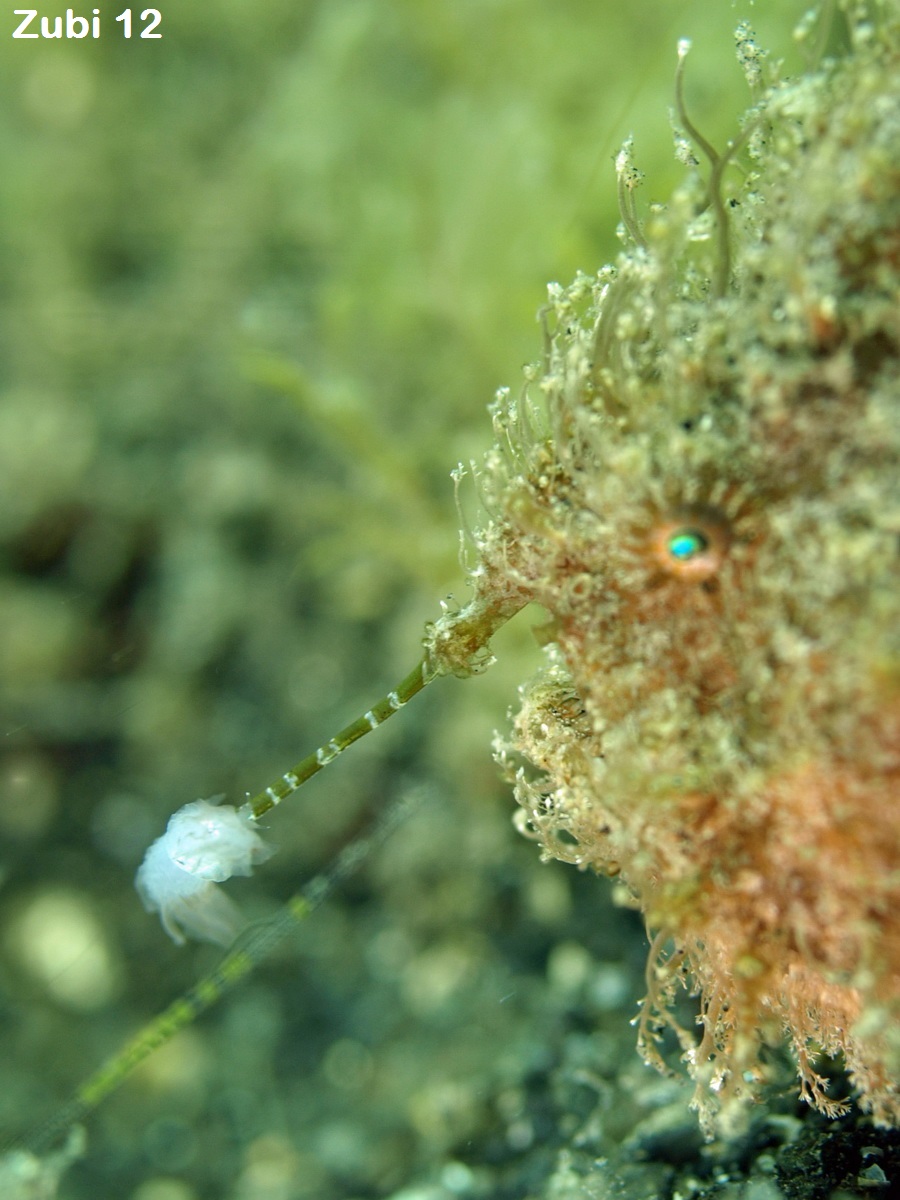
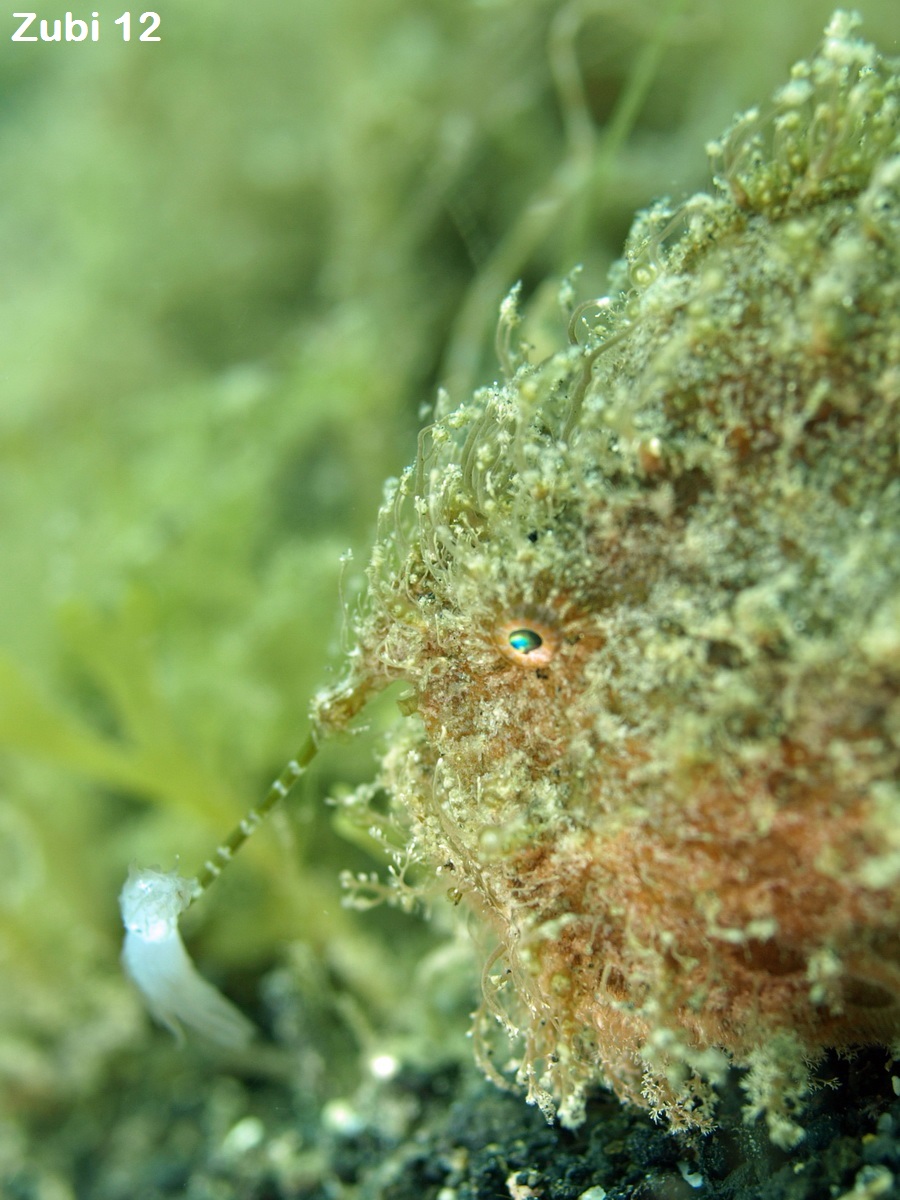
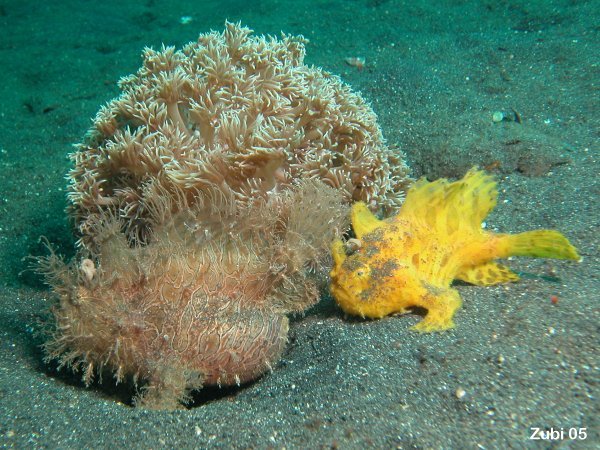
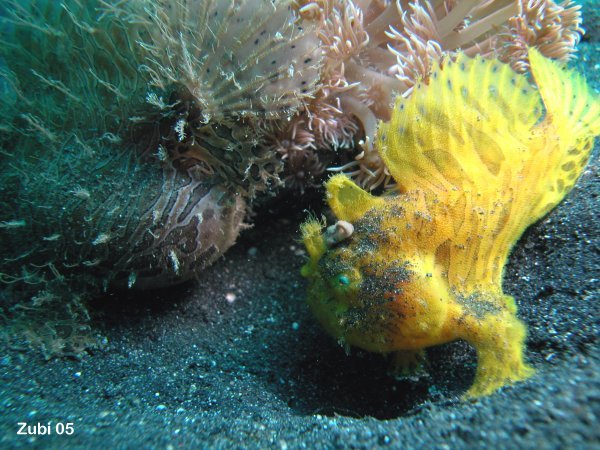
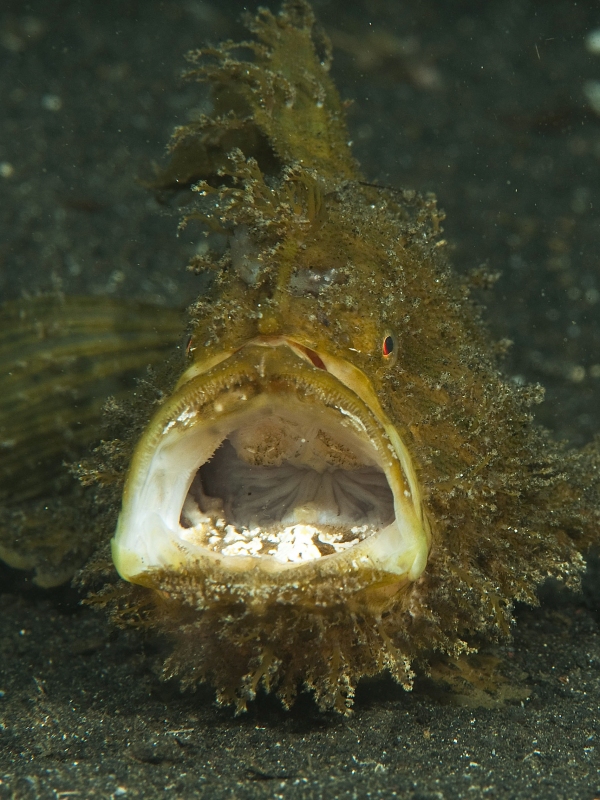
| Antennarius striatus (Striped,
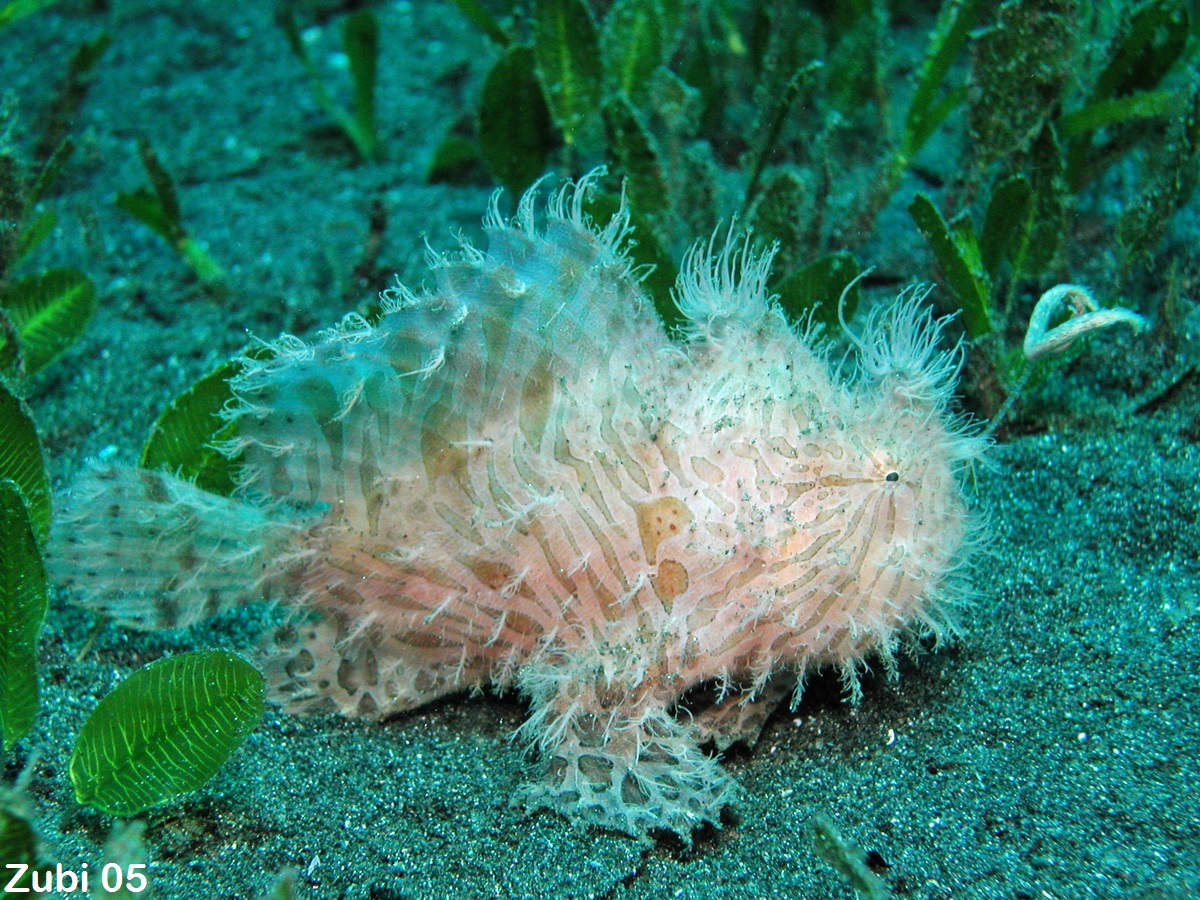
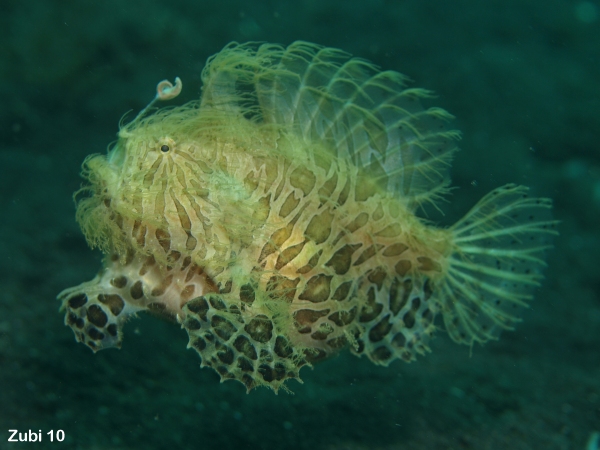
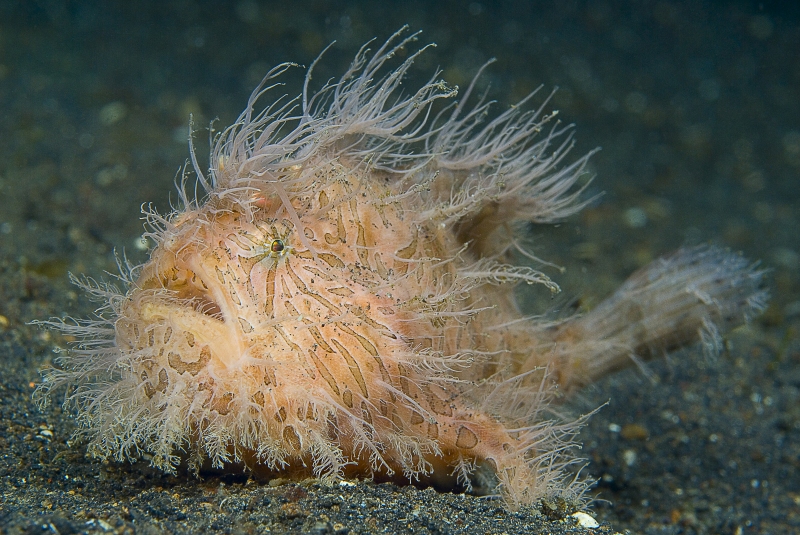
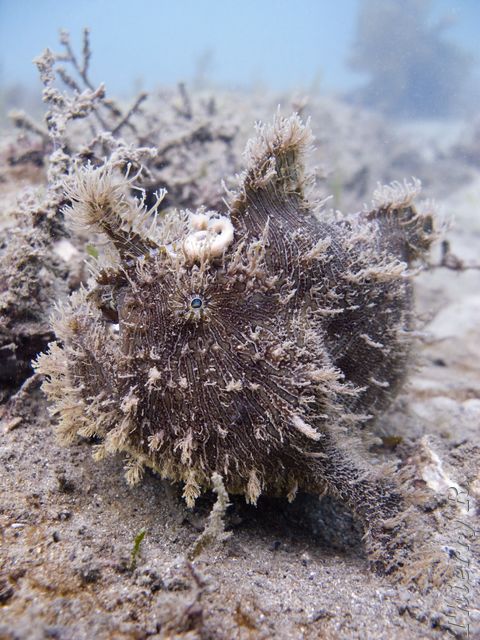
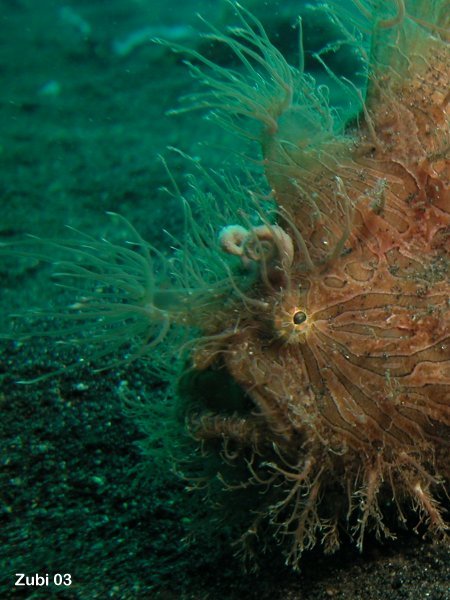
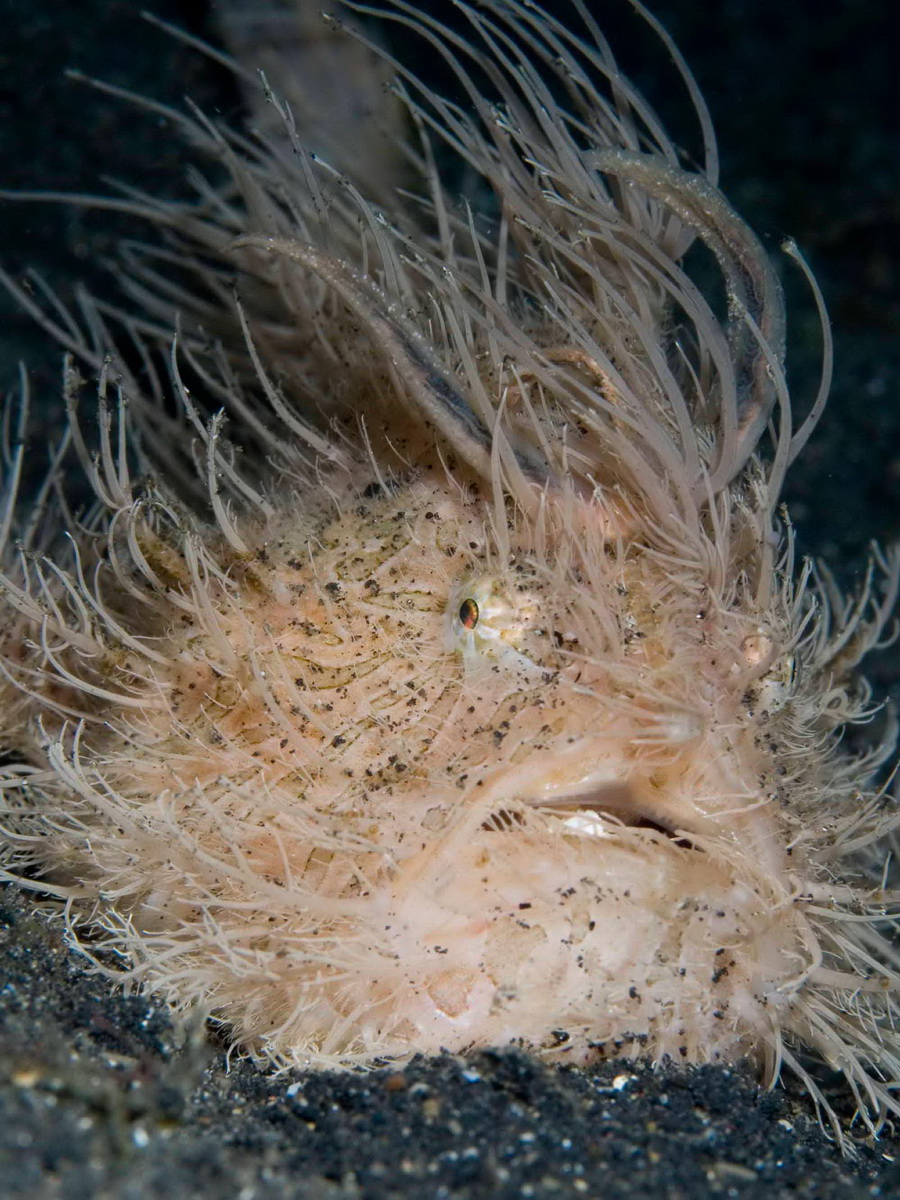
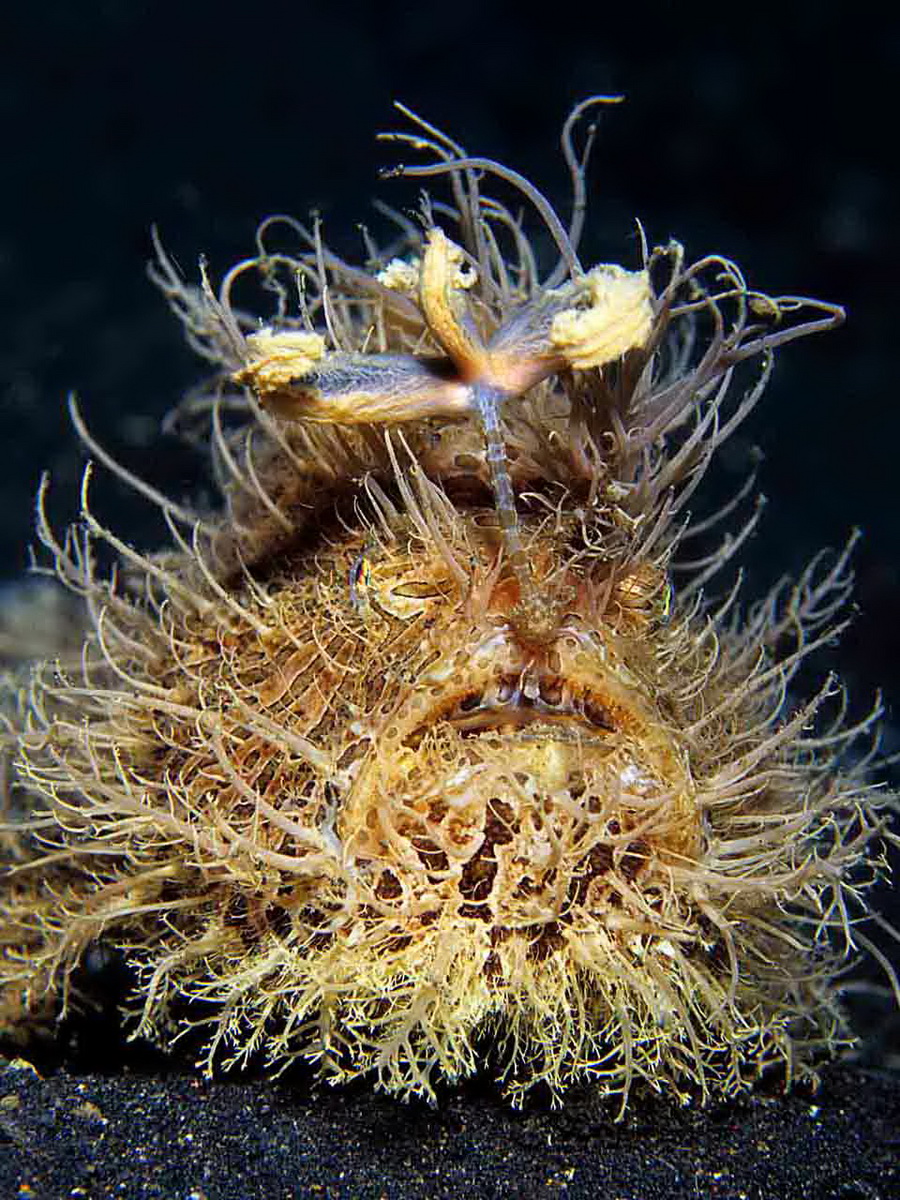
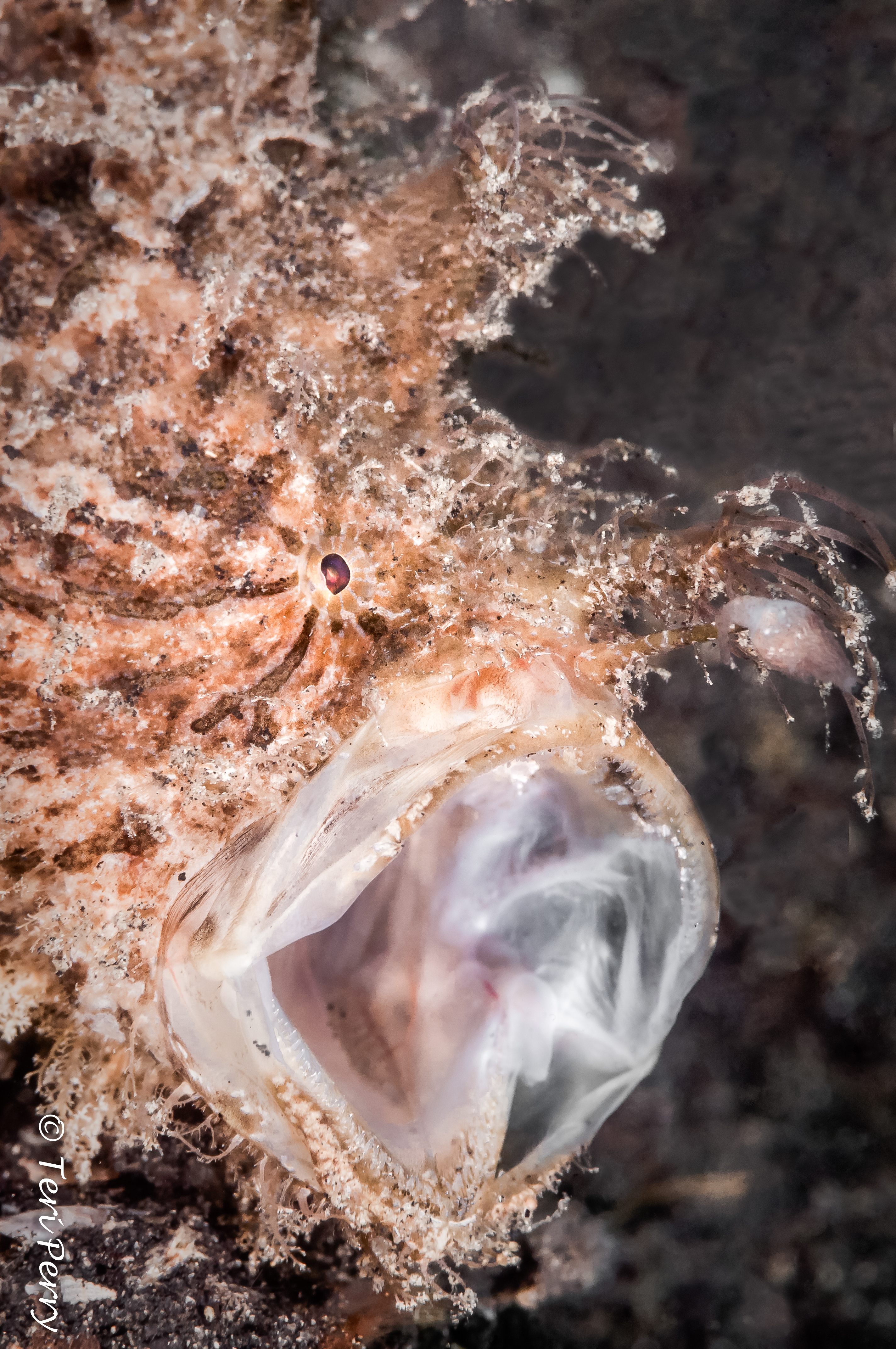
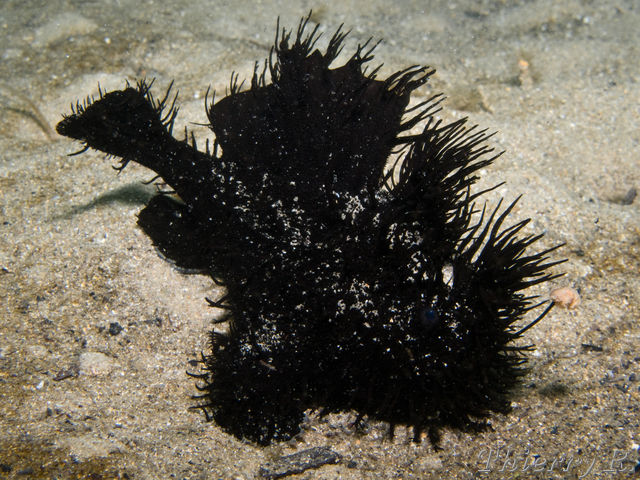
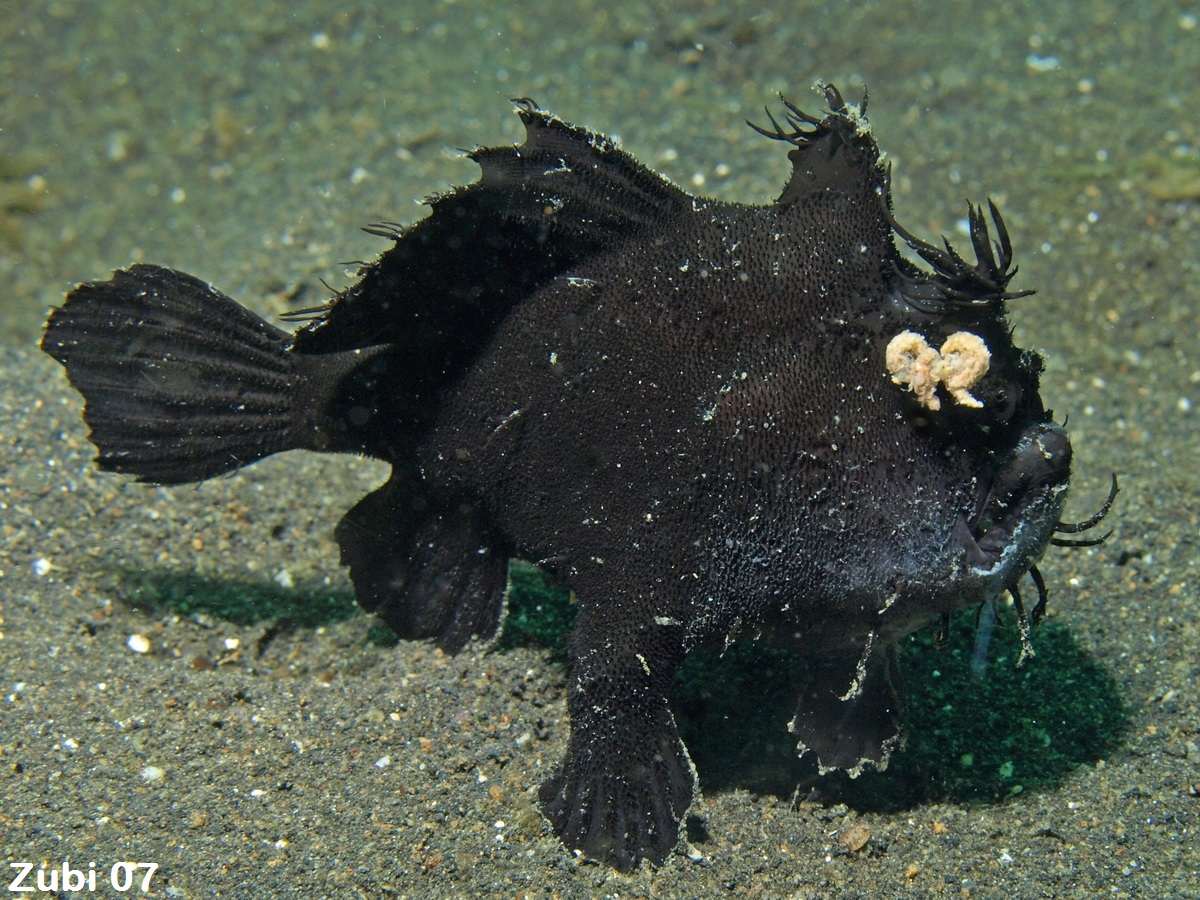
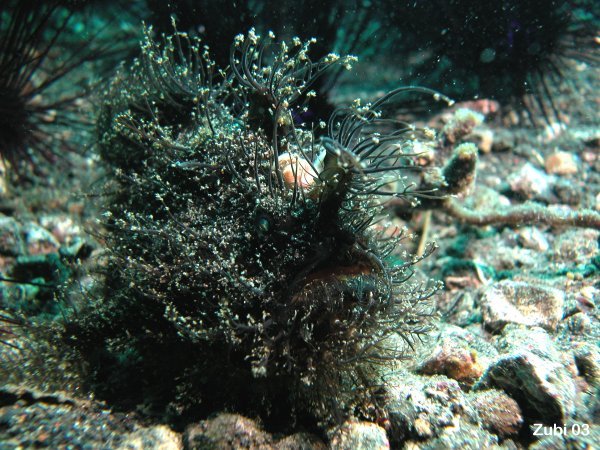
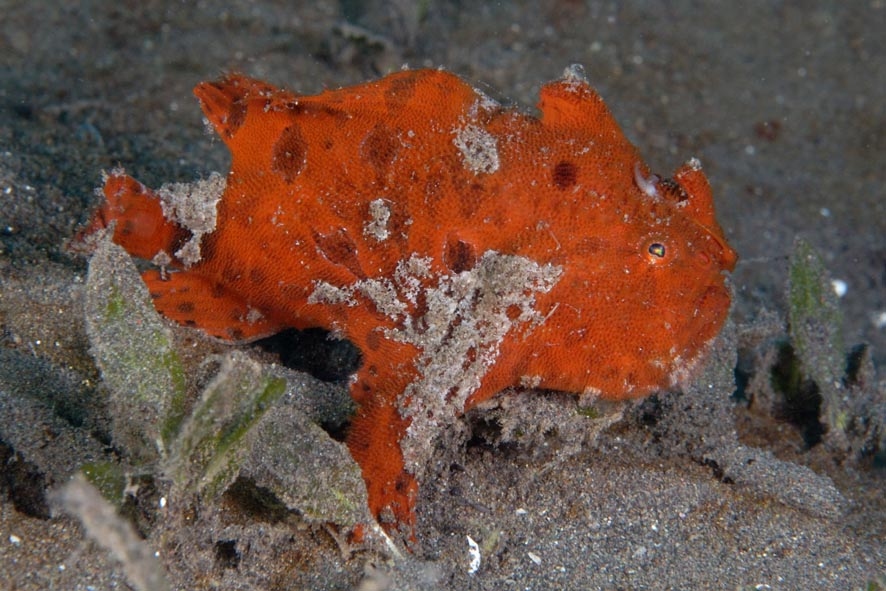
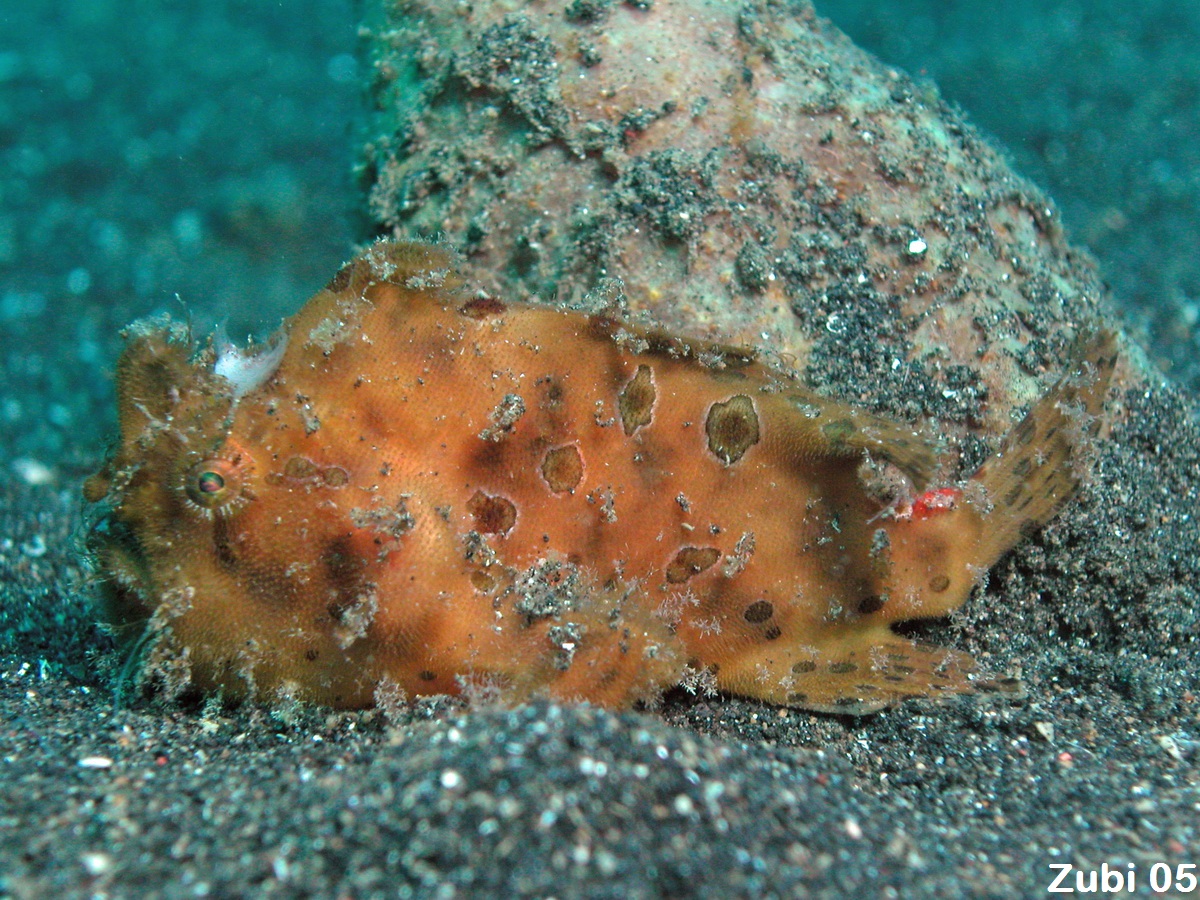
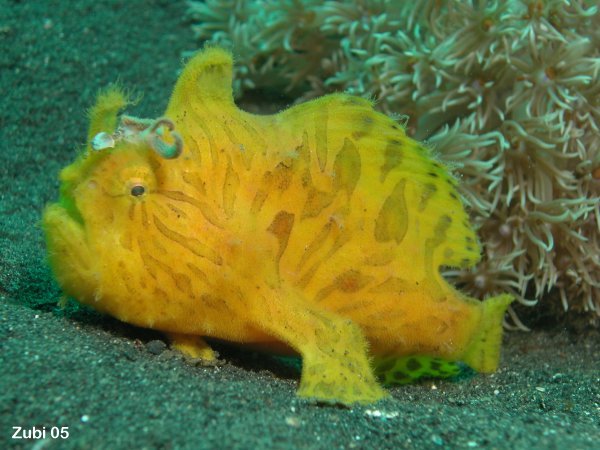
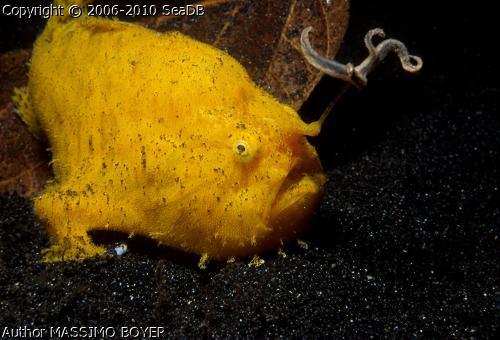
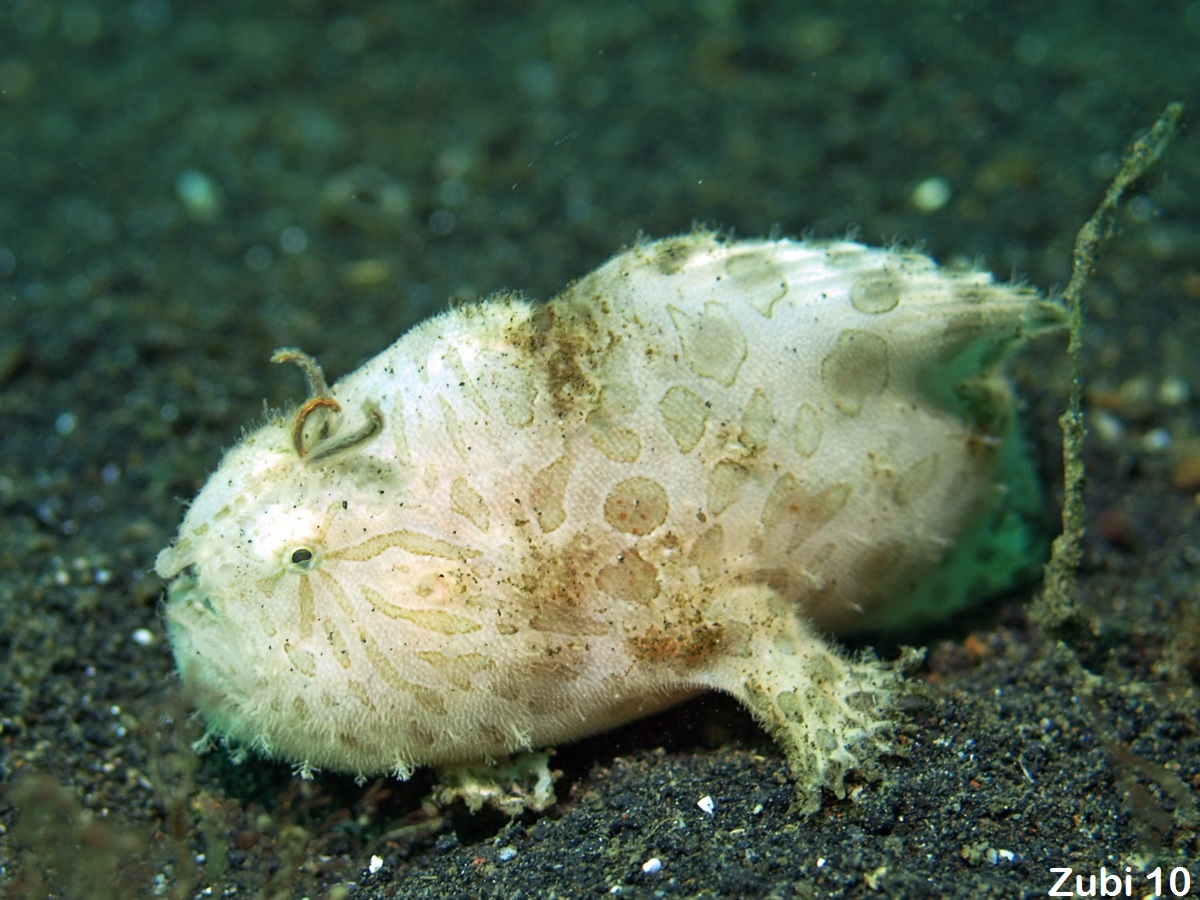
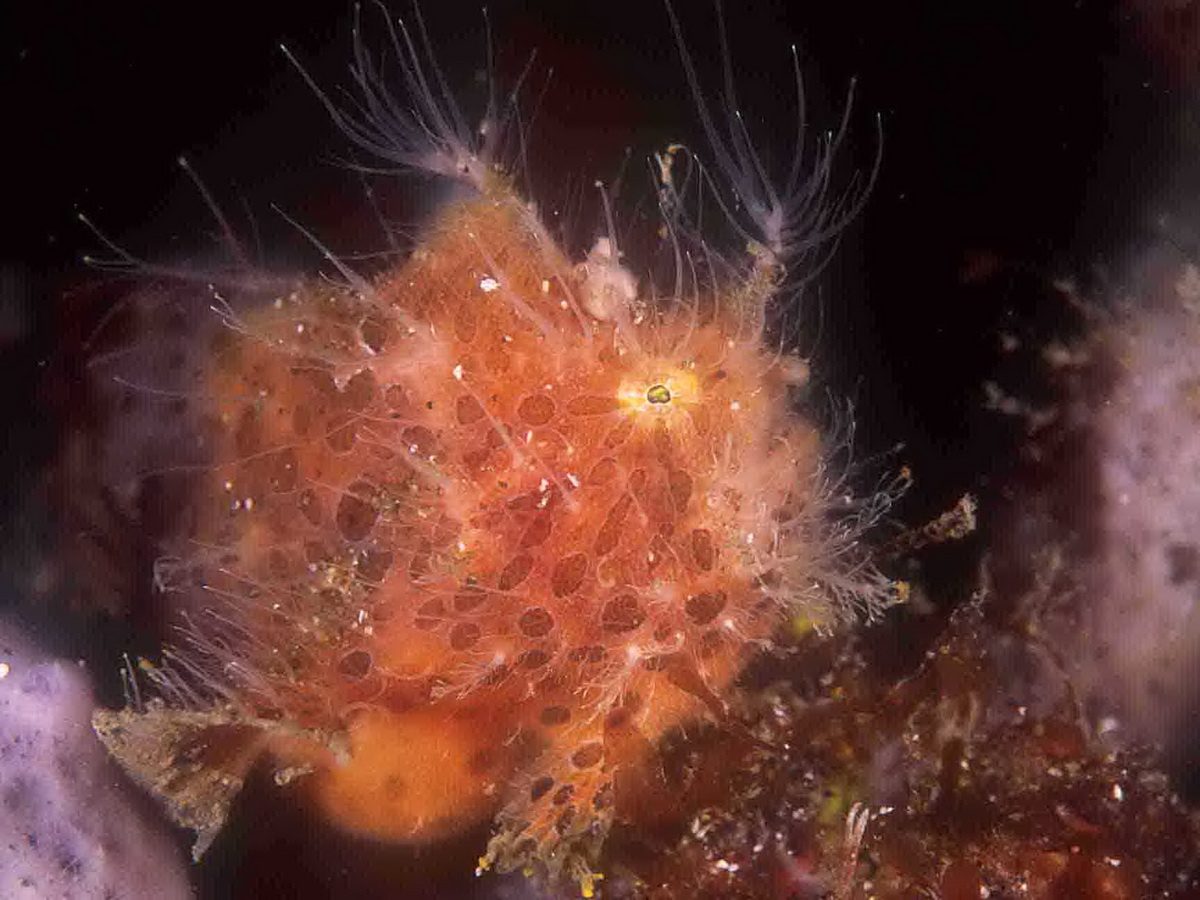
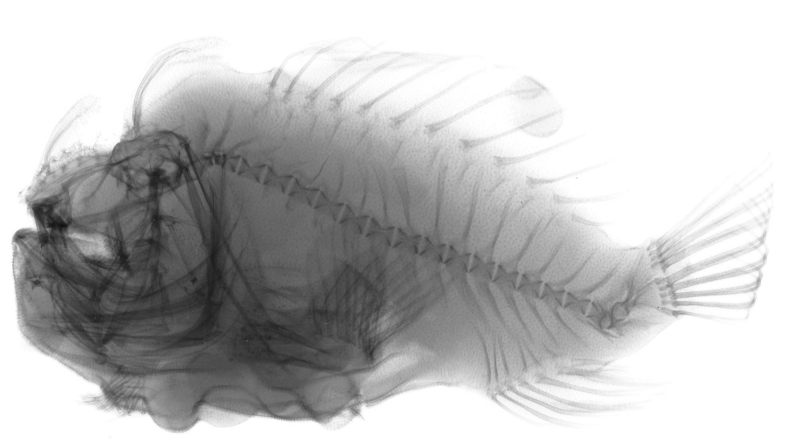
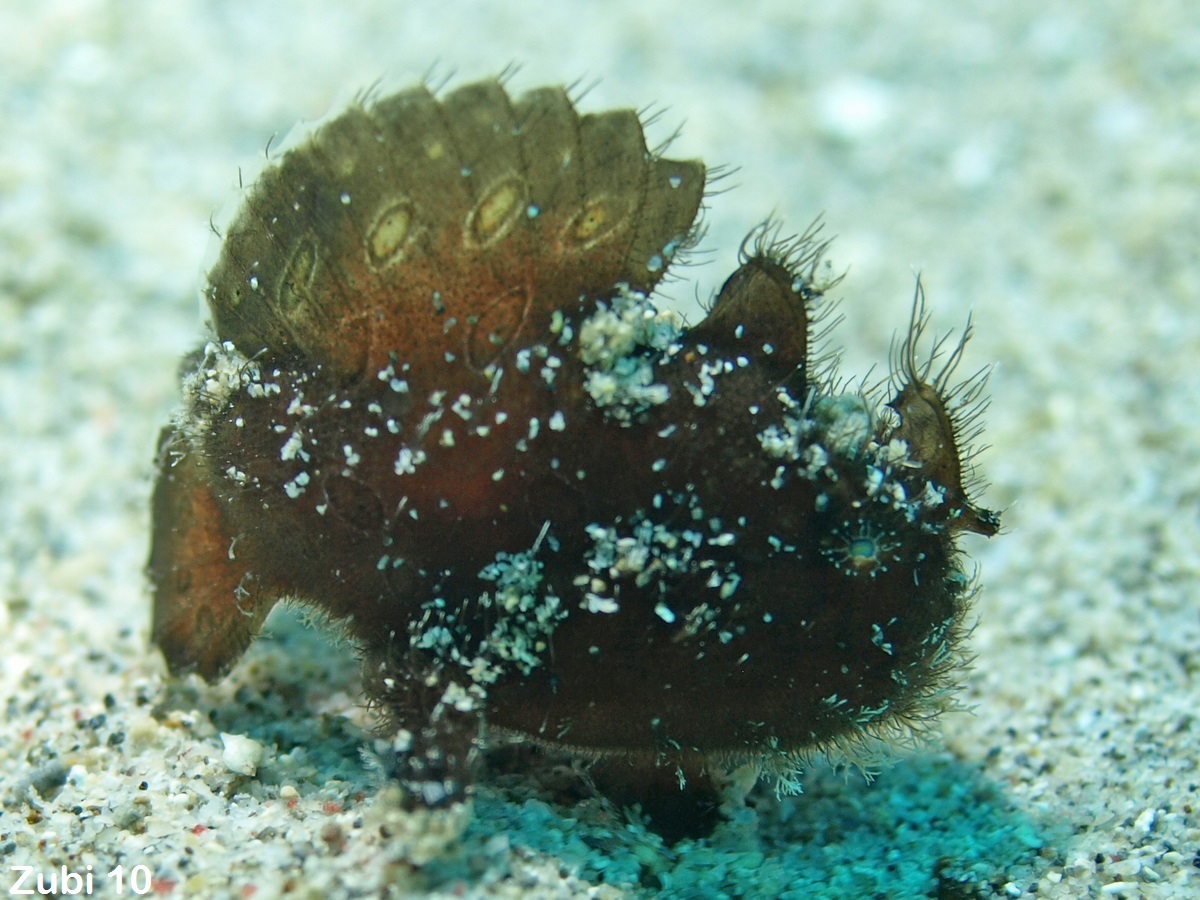
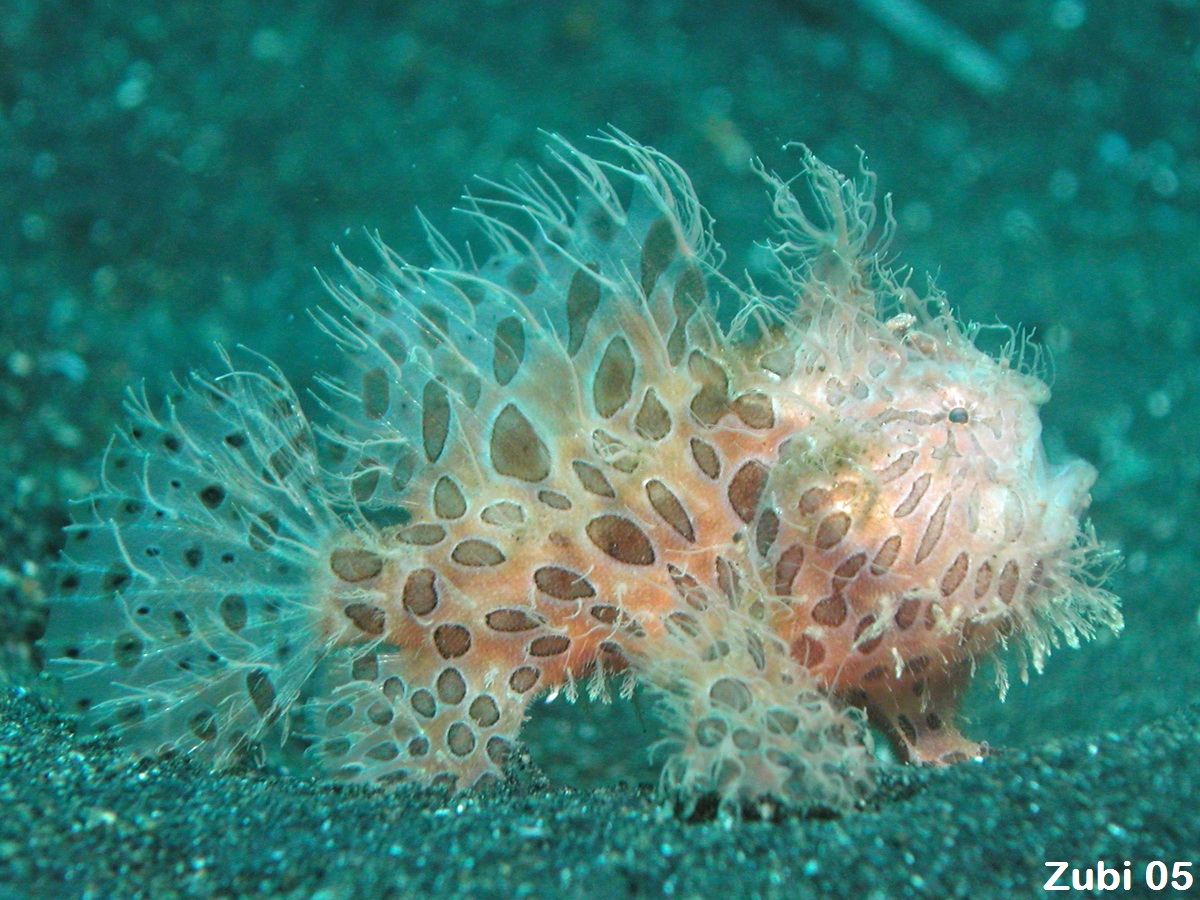
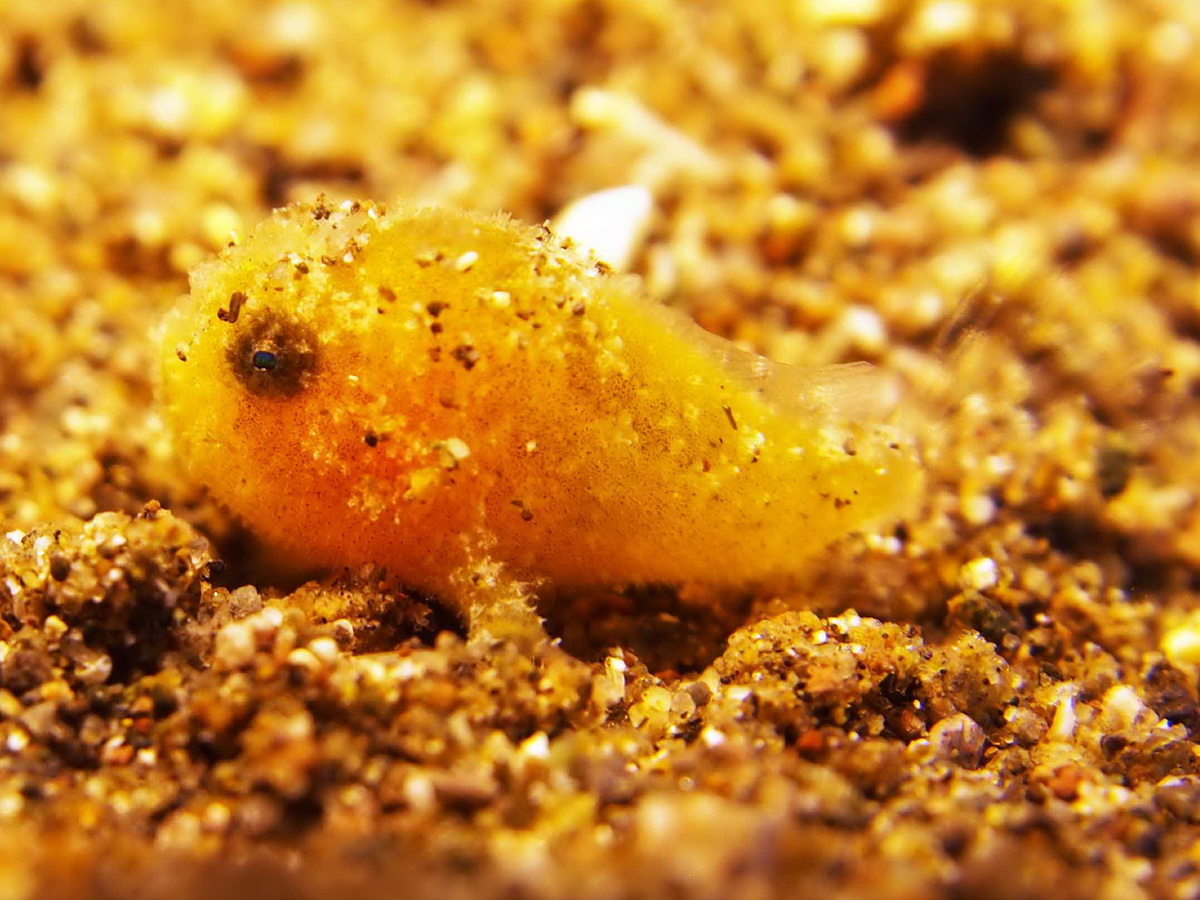
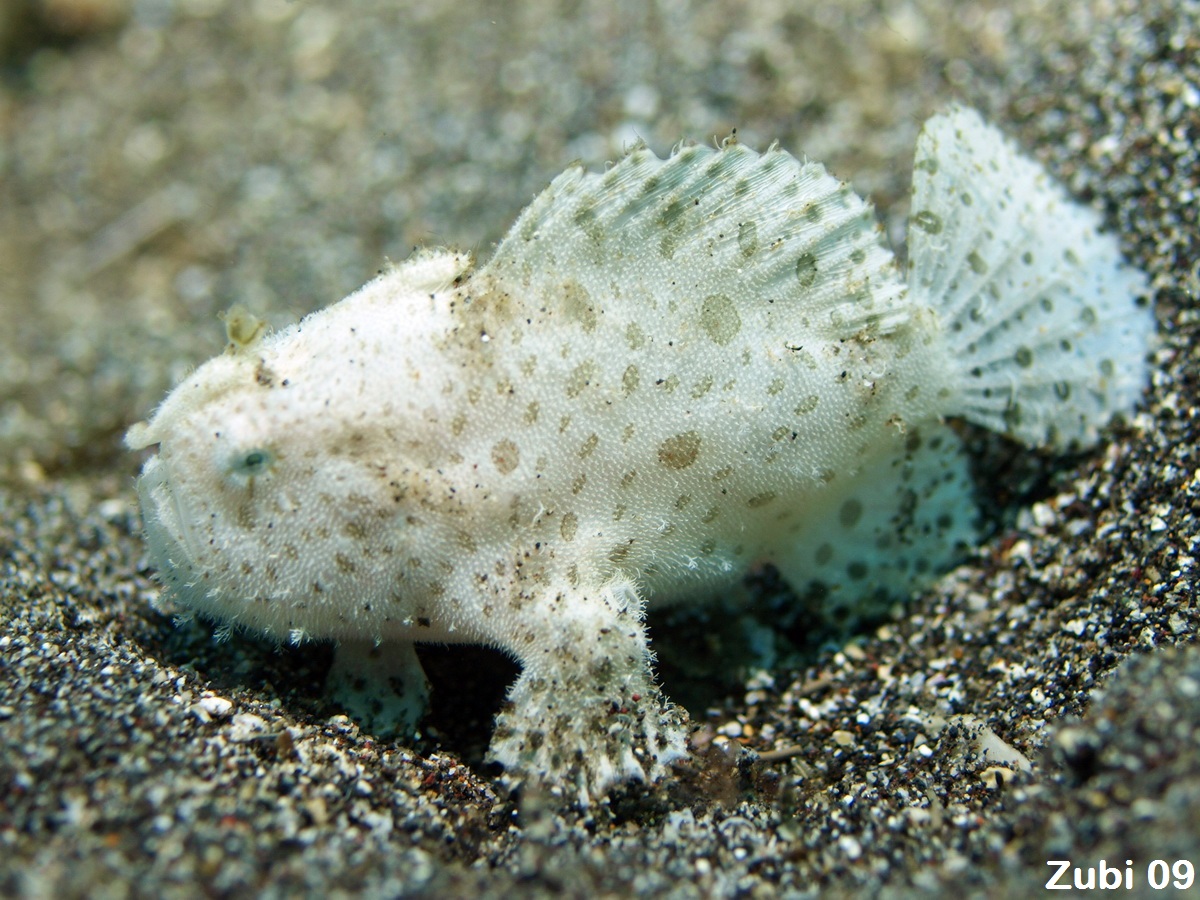
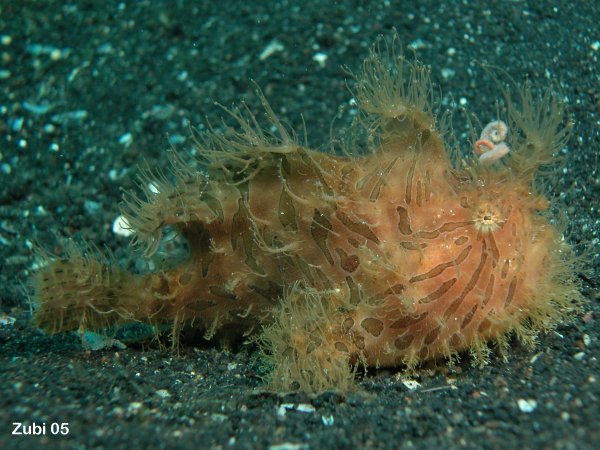
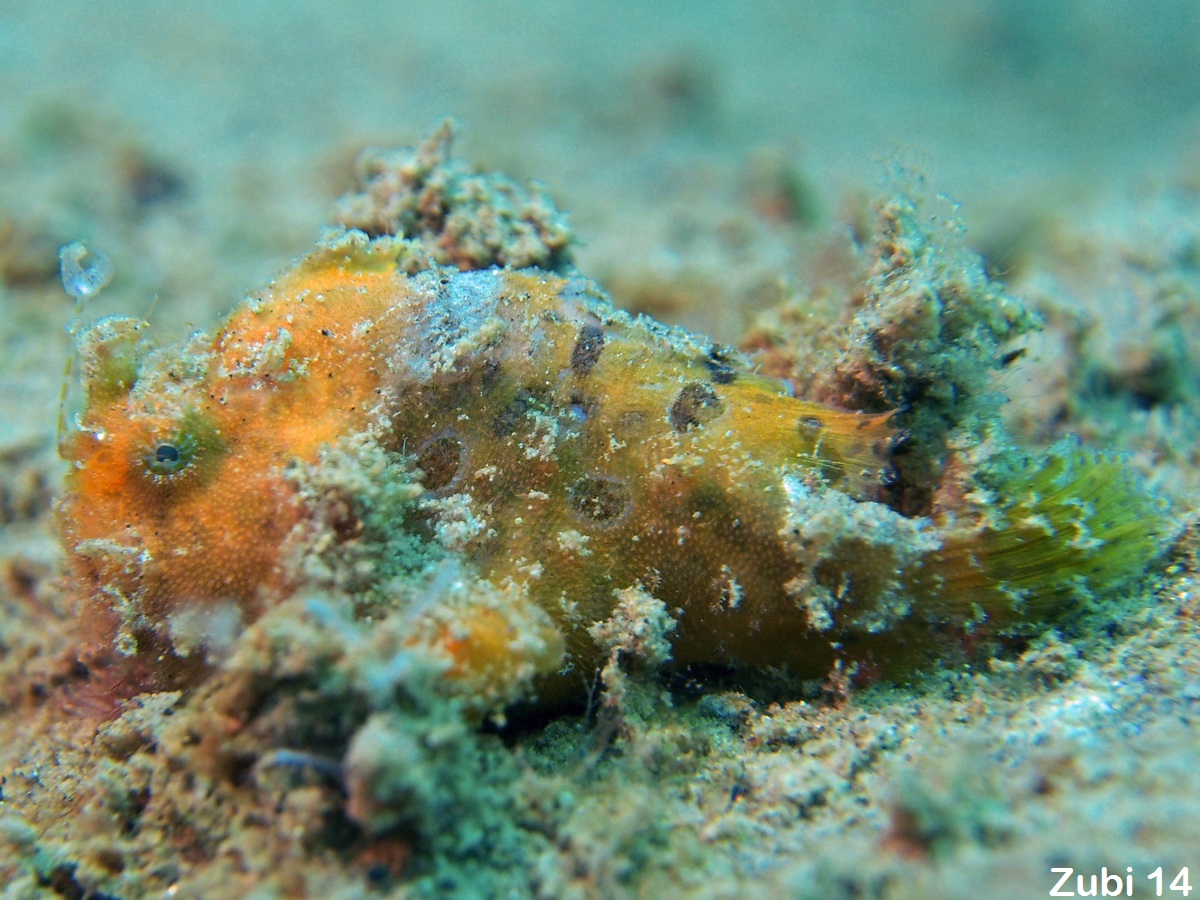
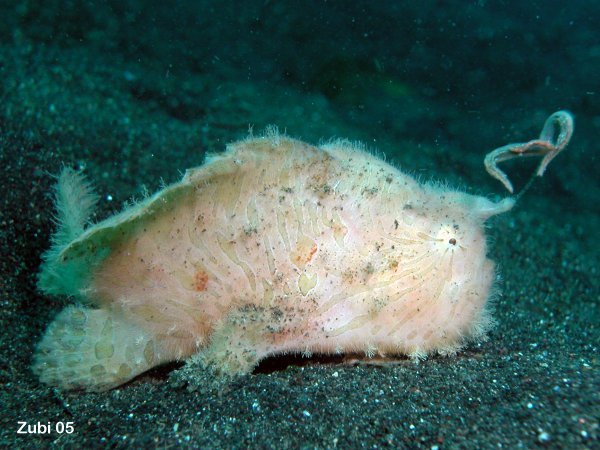
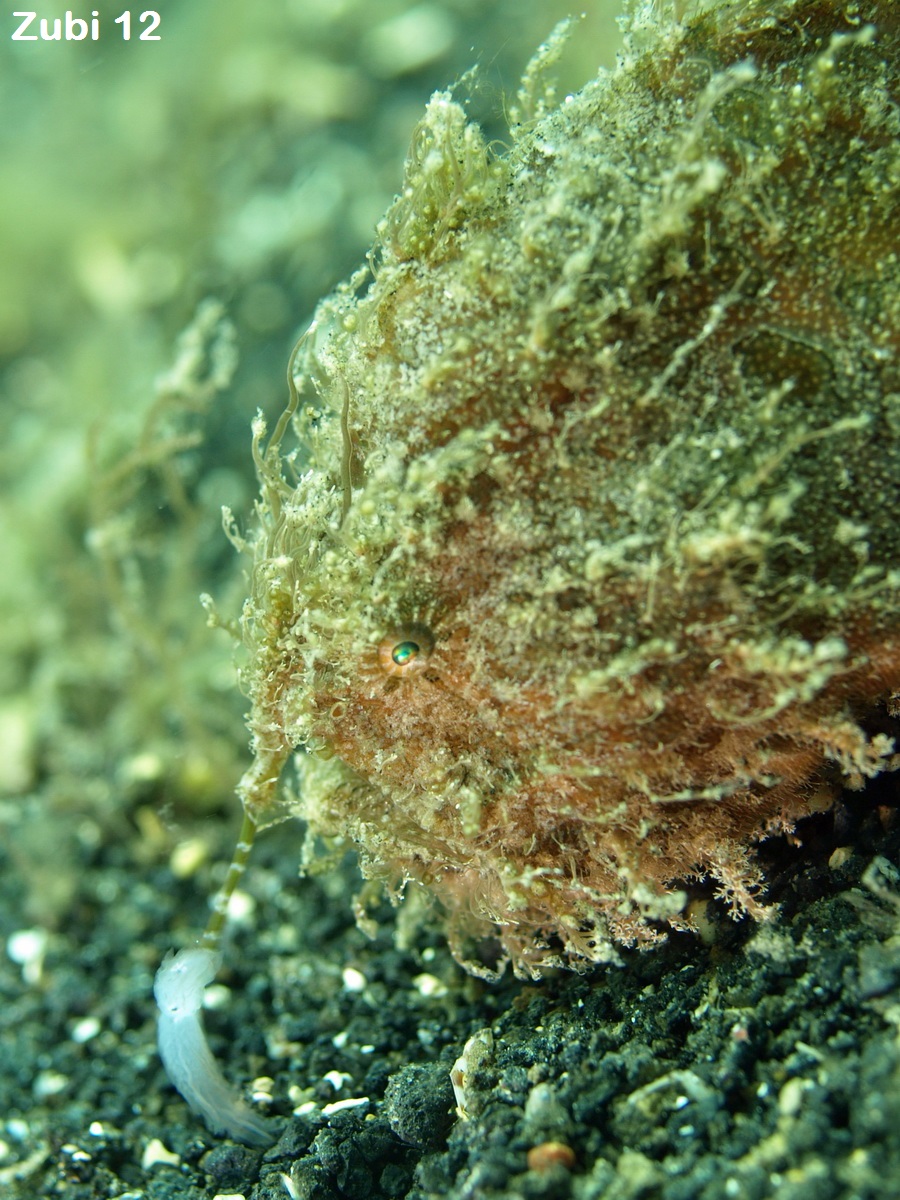
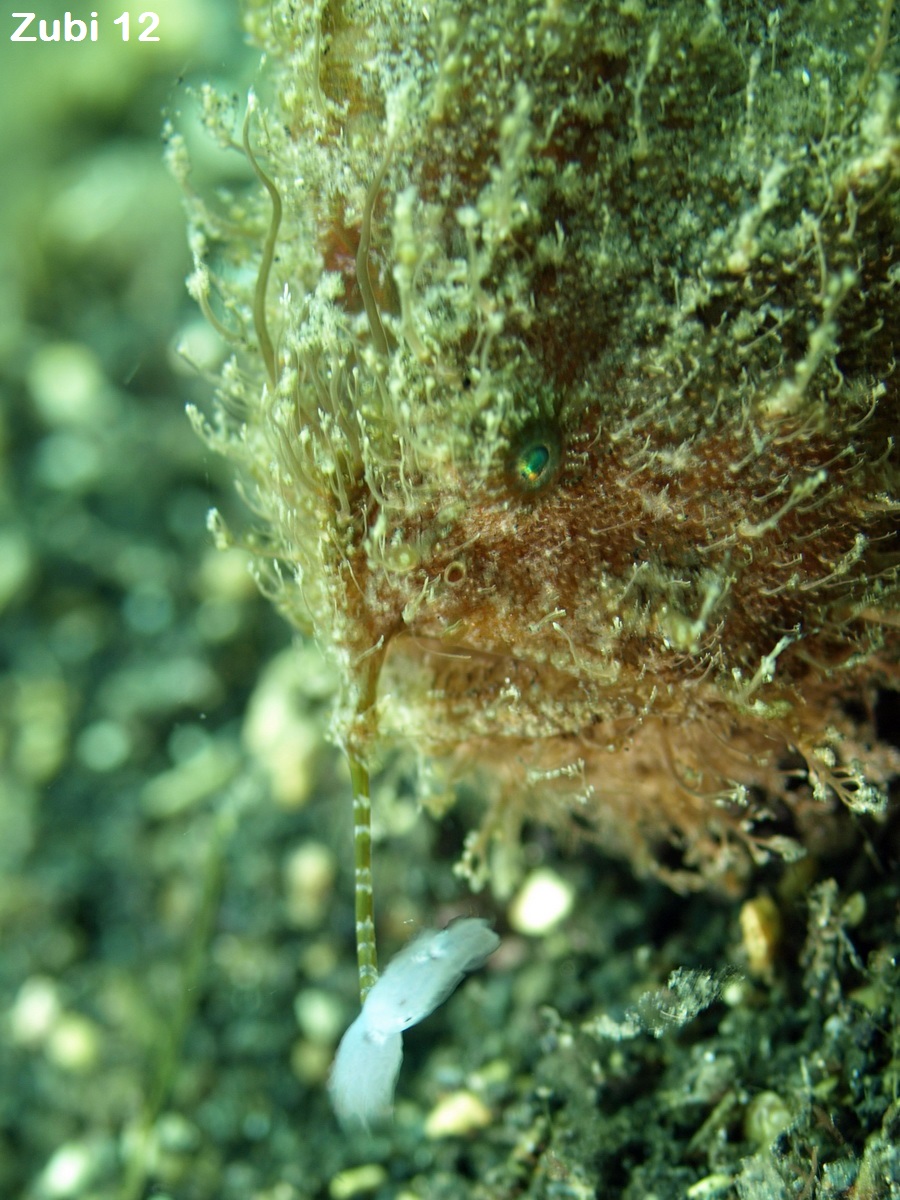
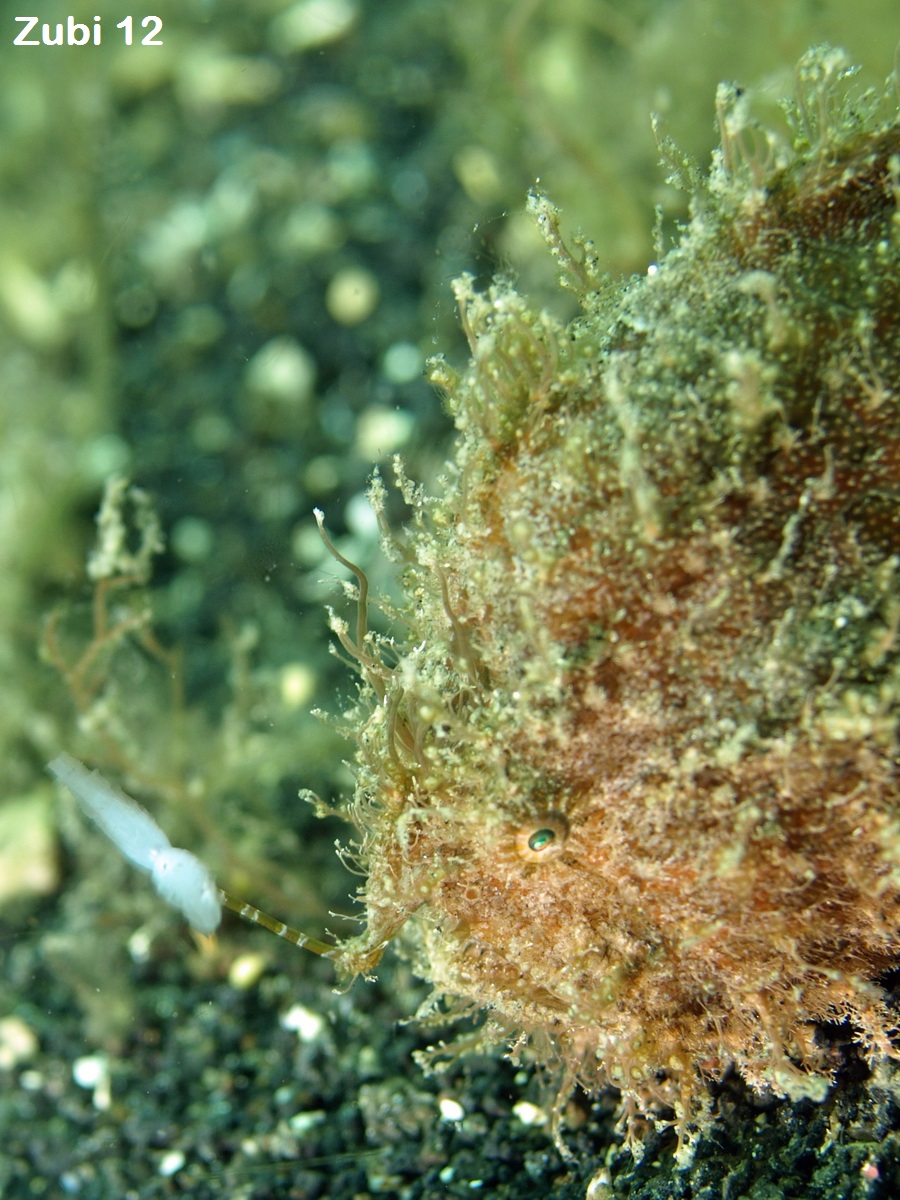
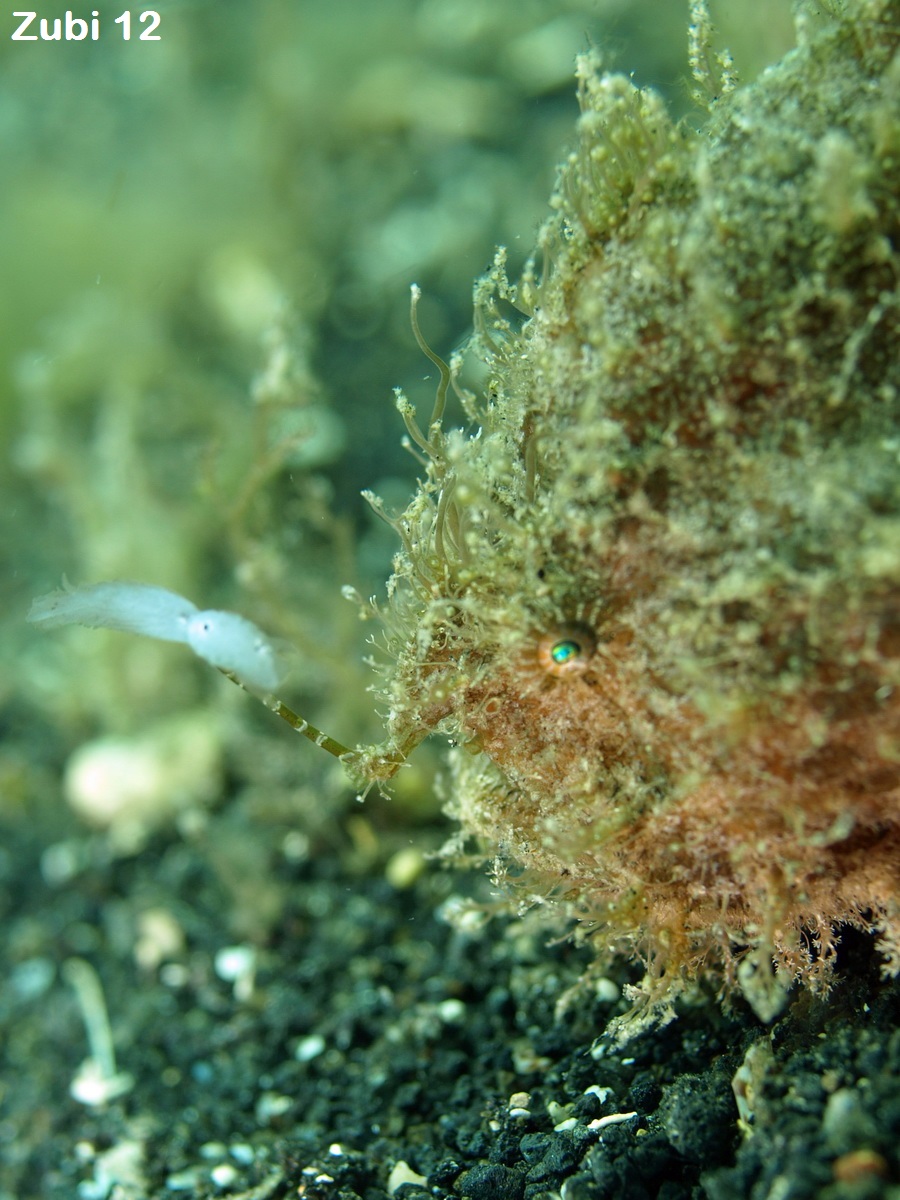
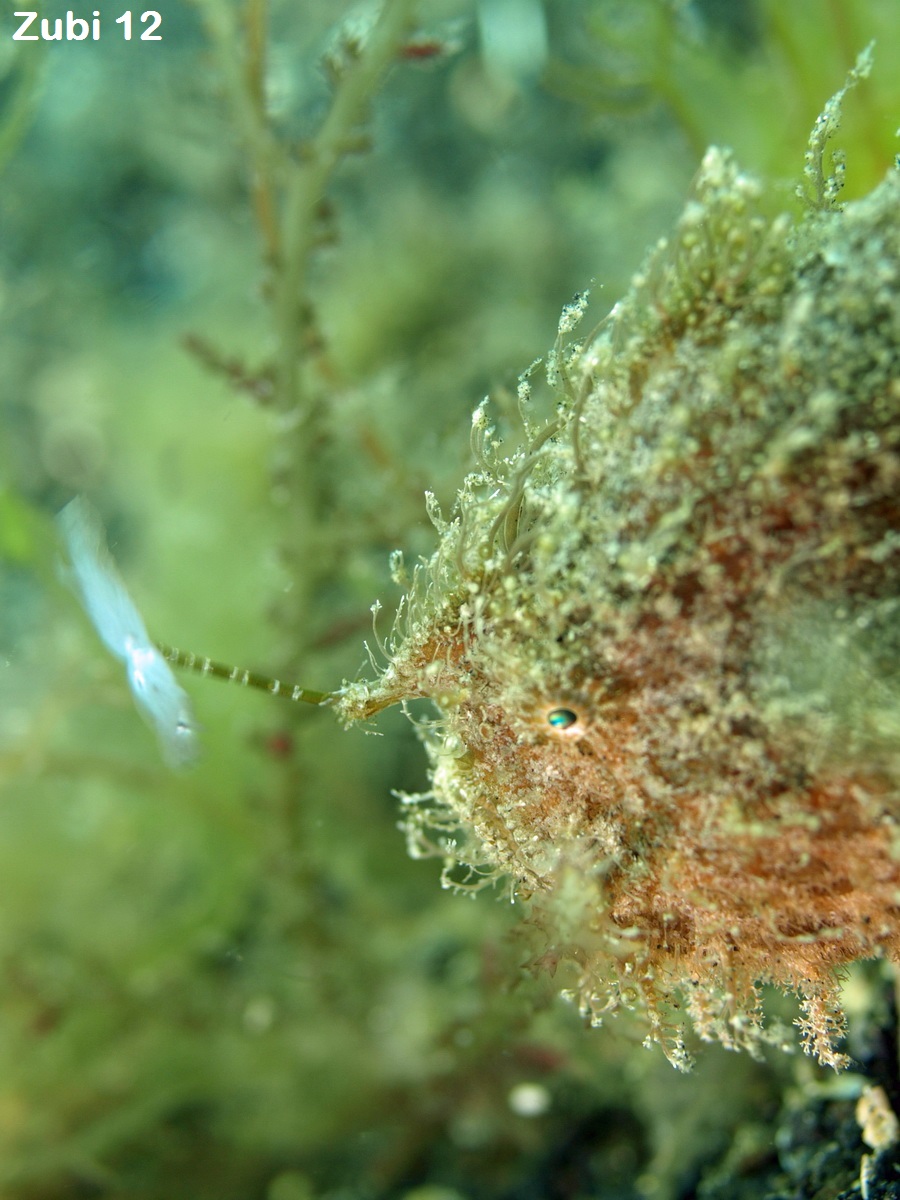
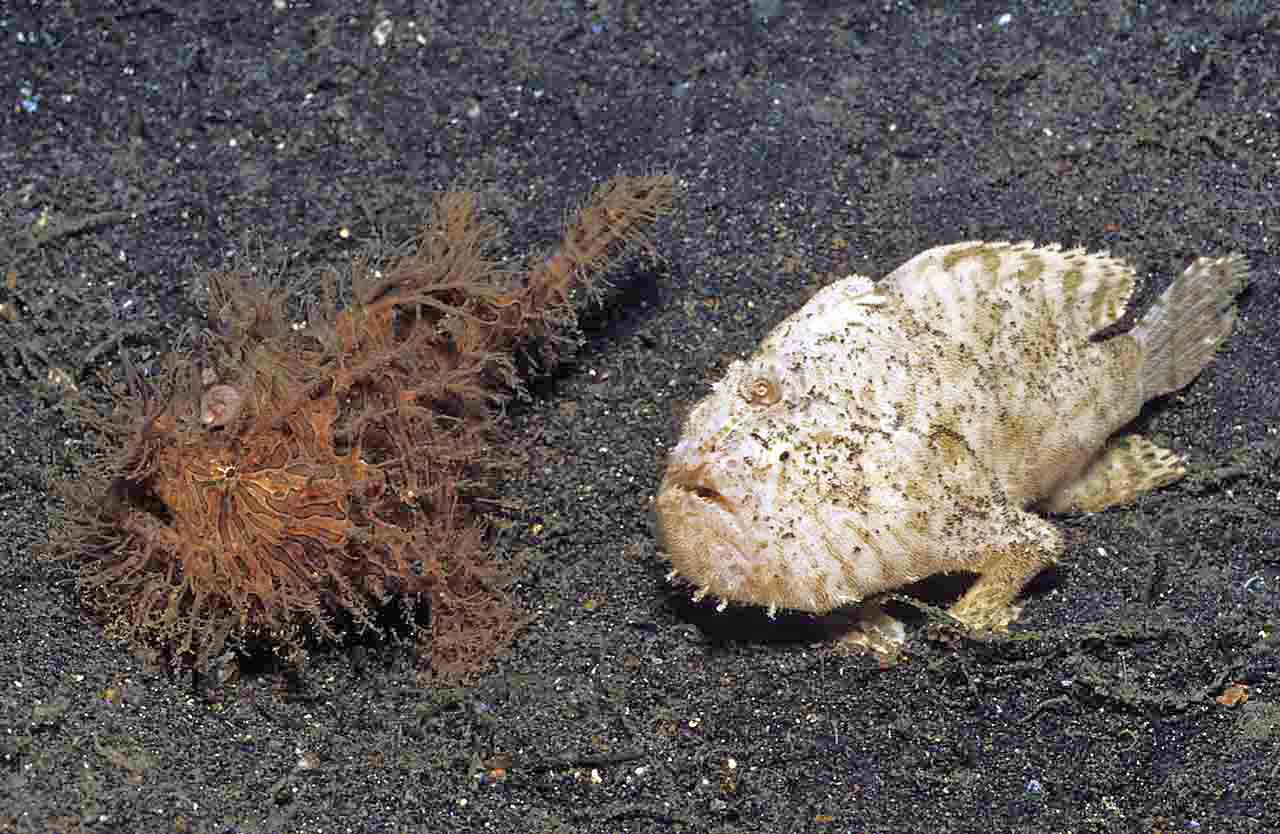
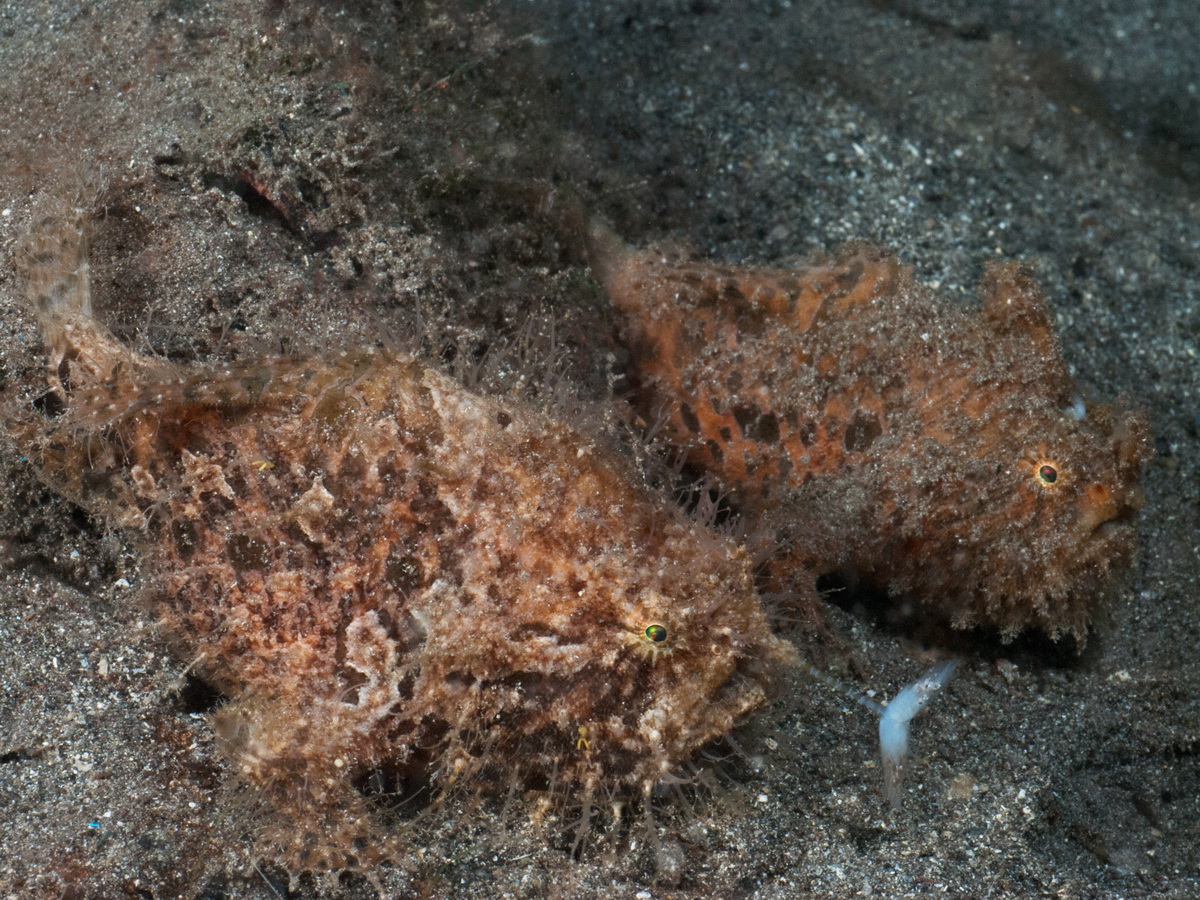
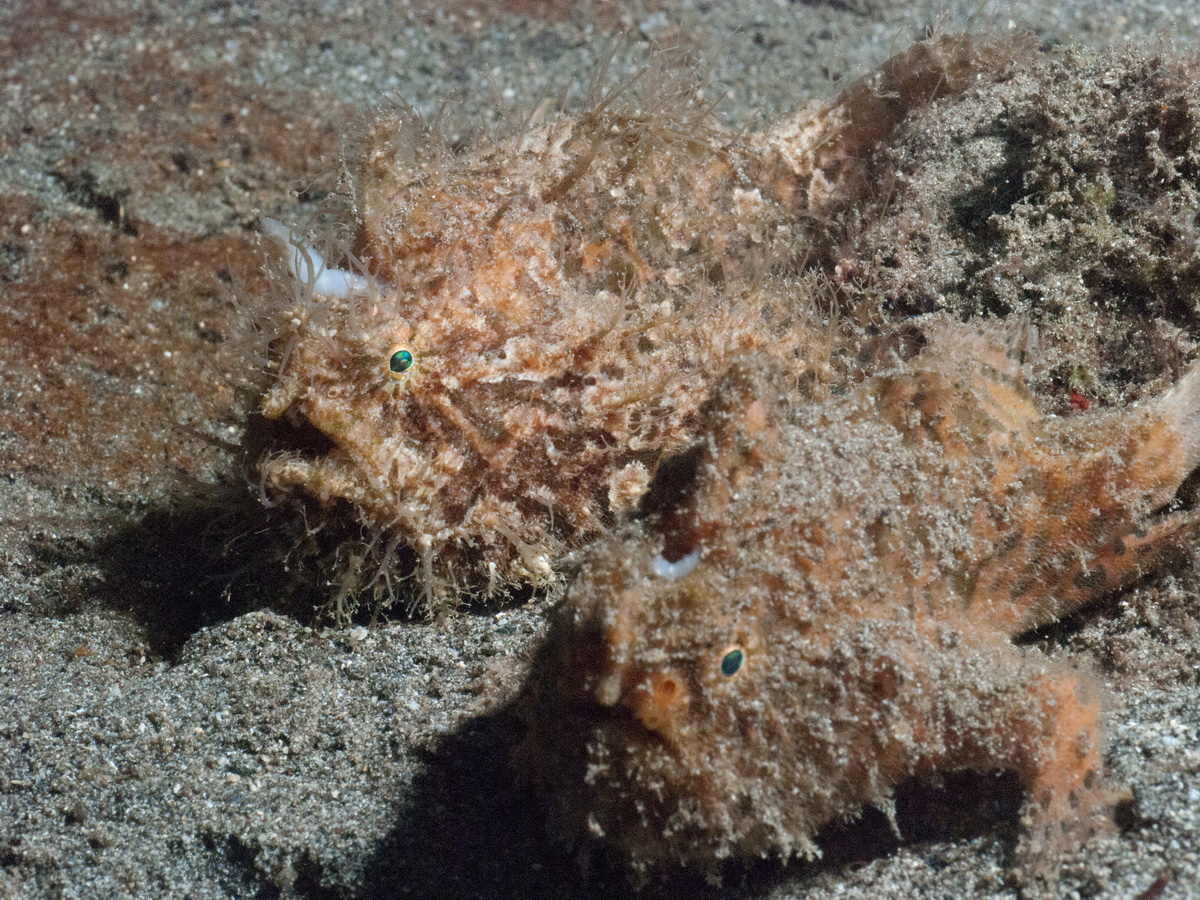
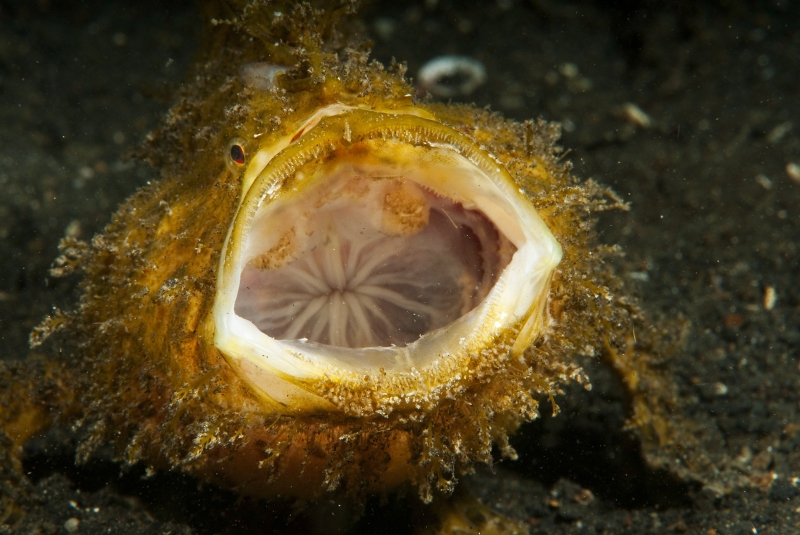
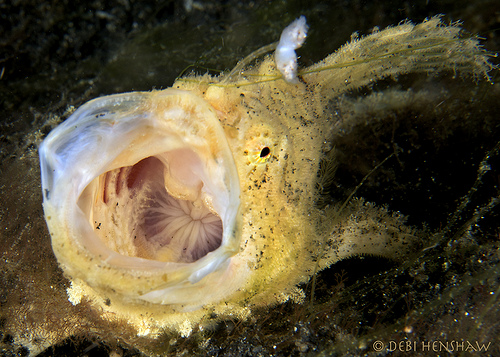
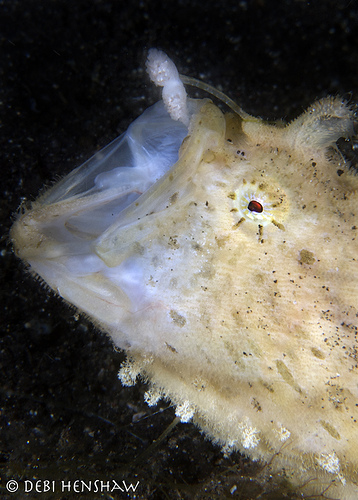
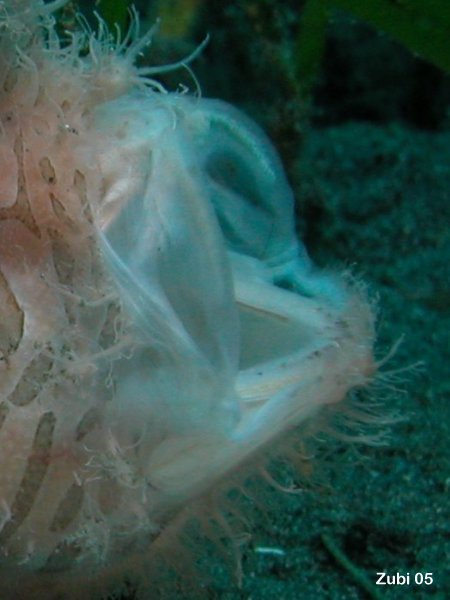
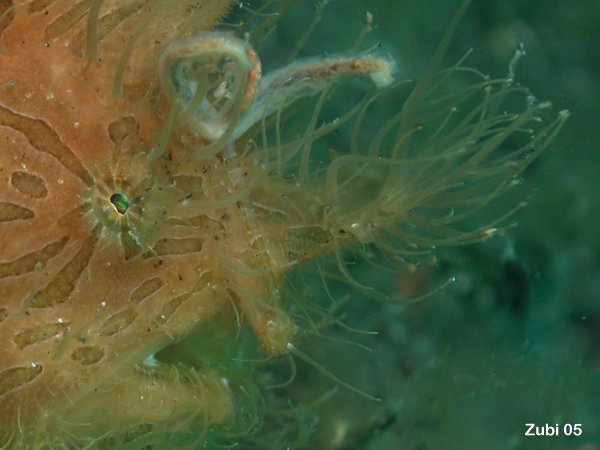
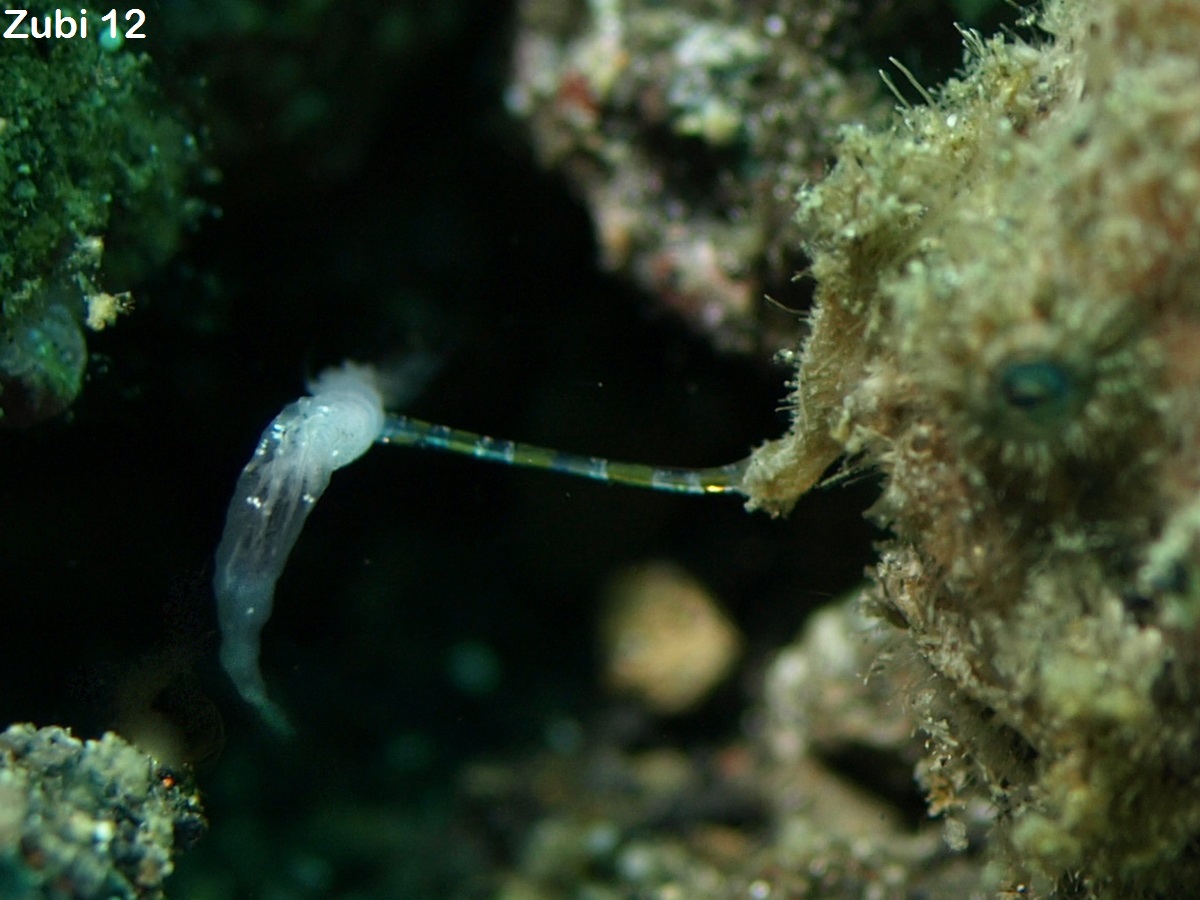
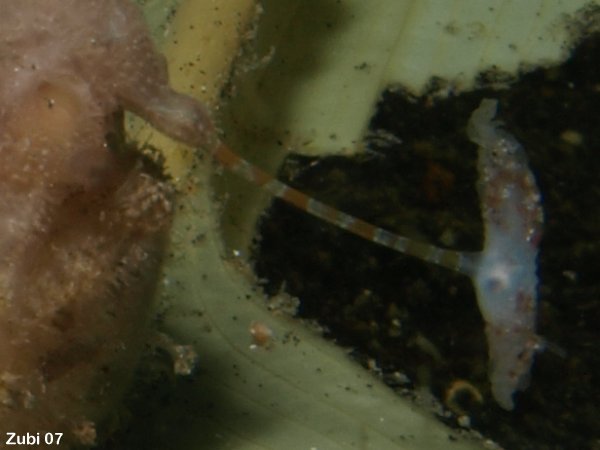
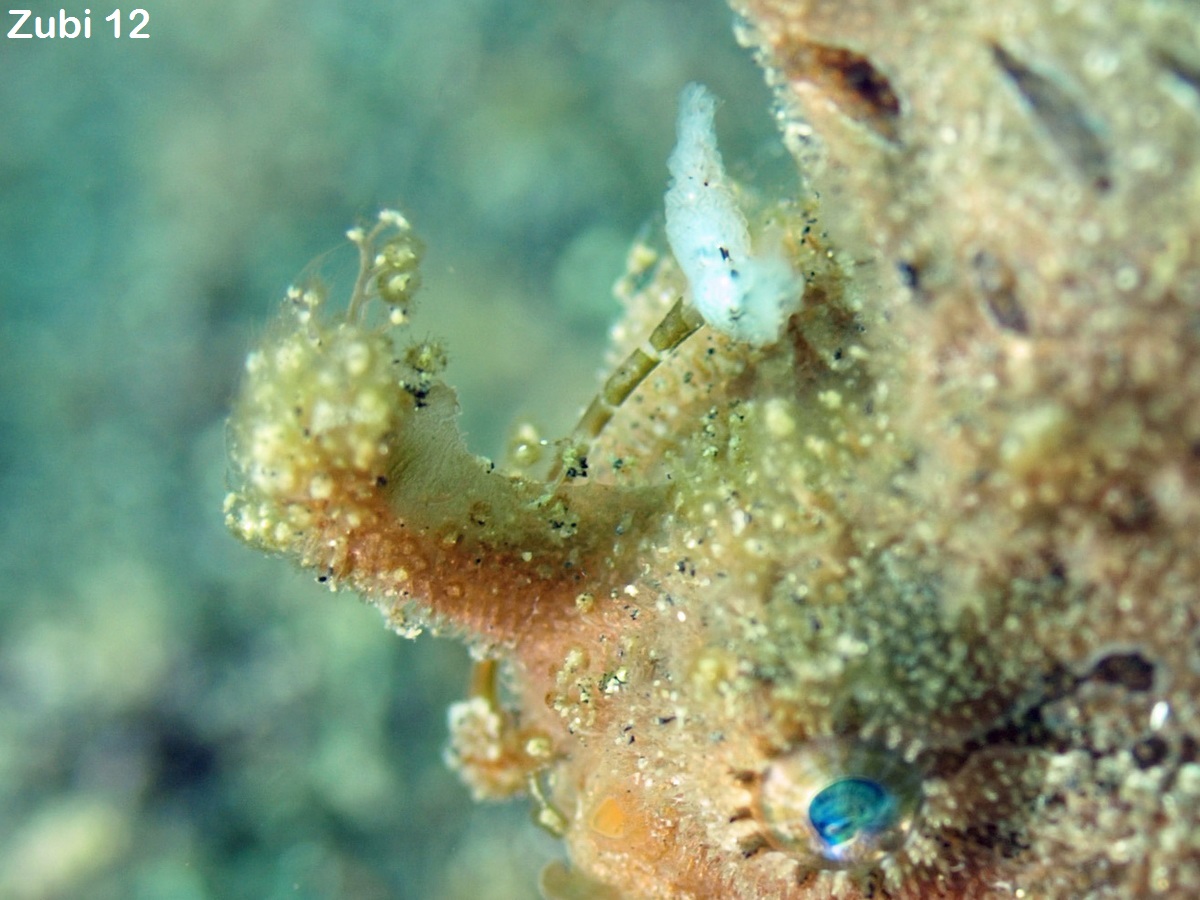
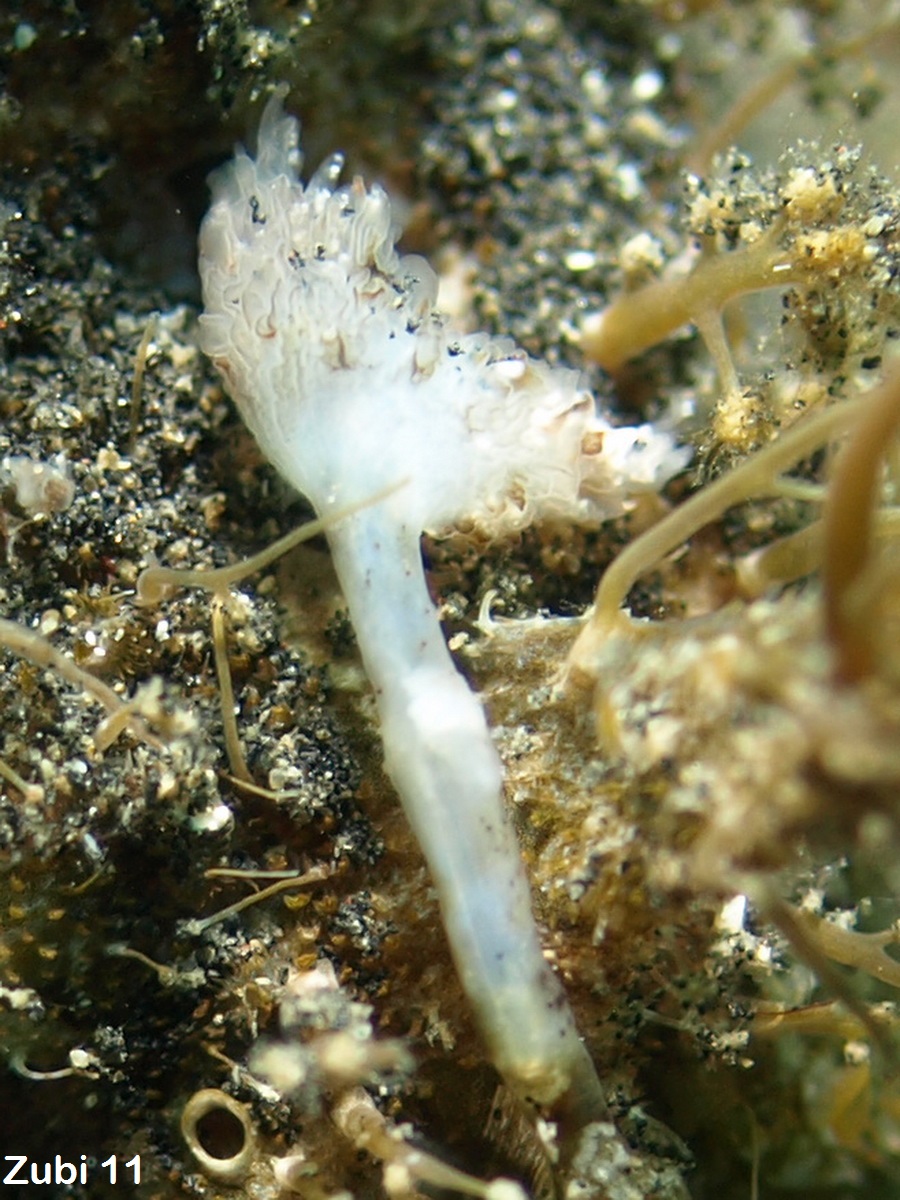
Striated, Splitlure, Zebra or Hairy frogfish) is a singulary interesting
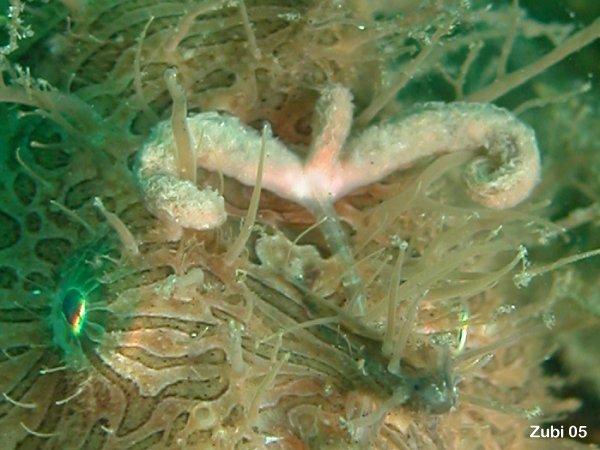
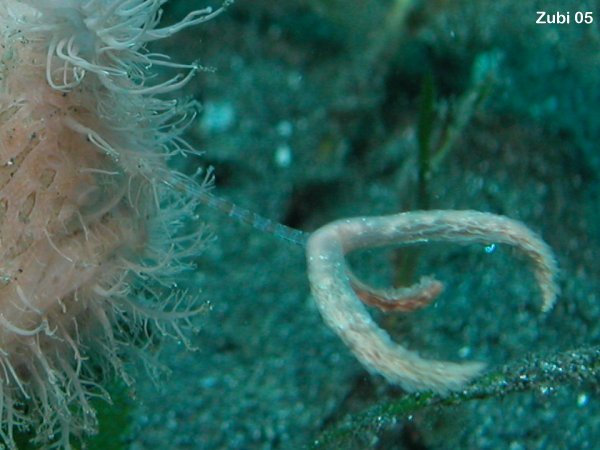
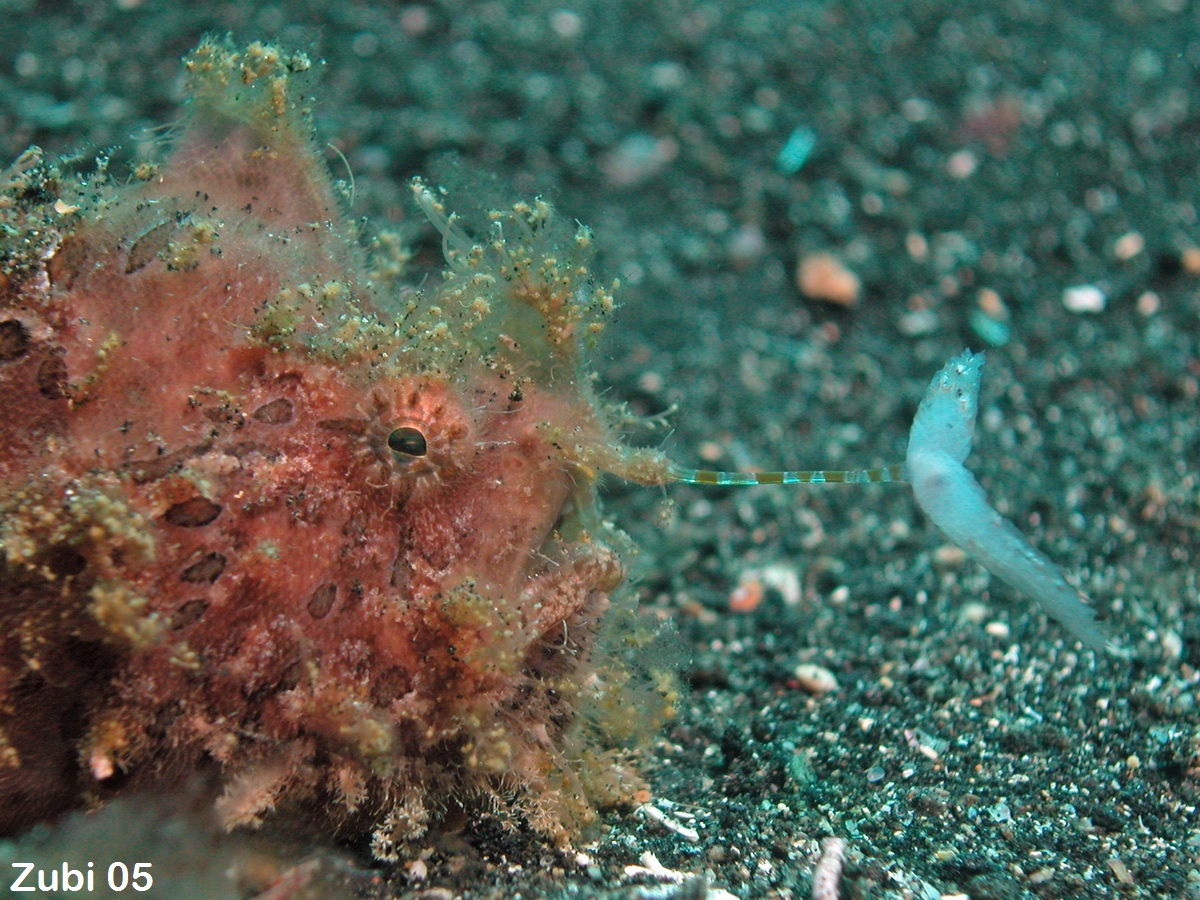
frogfish, mainly because of its large and well visible worm-like
lure which it likes to move a lot. because of its perfect camouflage
it is not that easy to find though. This frogfish is found in the following dive areas I have visited: Sulawesi, Bali in Indonesia, Negros in the Philippines, Mabul in Borneo and many more dive areas. |
|
Antennarius striatus (Gestreifter
oder Streifen Anglerfisch) ist ein ausserordentlich interessanter
Anglerfisch, vor allem wegen seiner grossen und gut sichtbaren Angel,
die er auch gerne in verschiedener Weise bewegt. Wegen seiner perfekten
Tarnung ist er von Tauchern jedoch nicht gerade so einfach zu finden. Dieser Anglerfisch ist in folgenden mir bekannten Tauchgebieten zu finden: Sulawesi, Bali, Flores in Indonesien, Negros in den Philippinen, Mabul in Borneo und vielen anderen Tauchgebieten. |
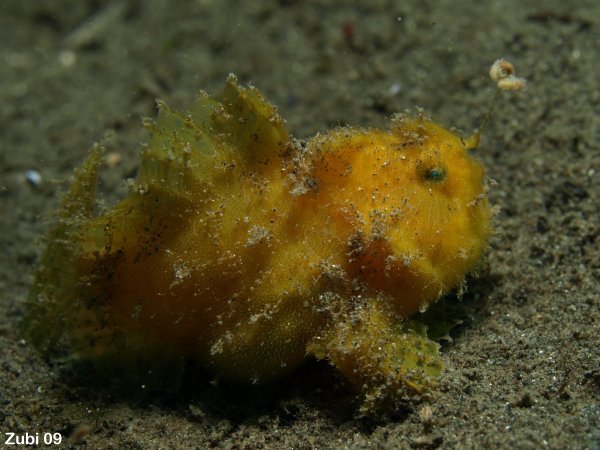
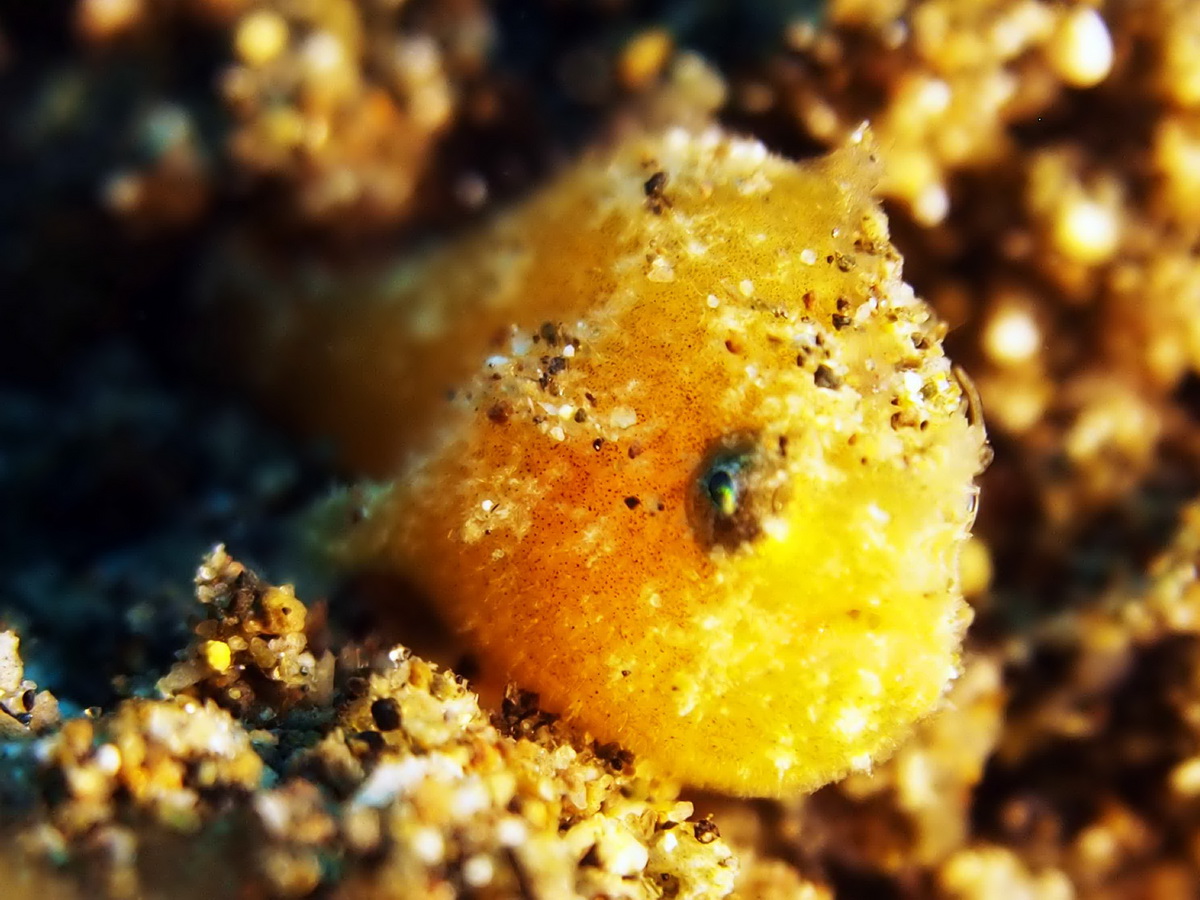
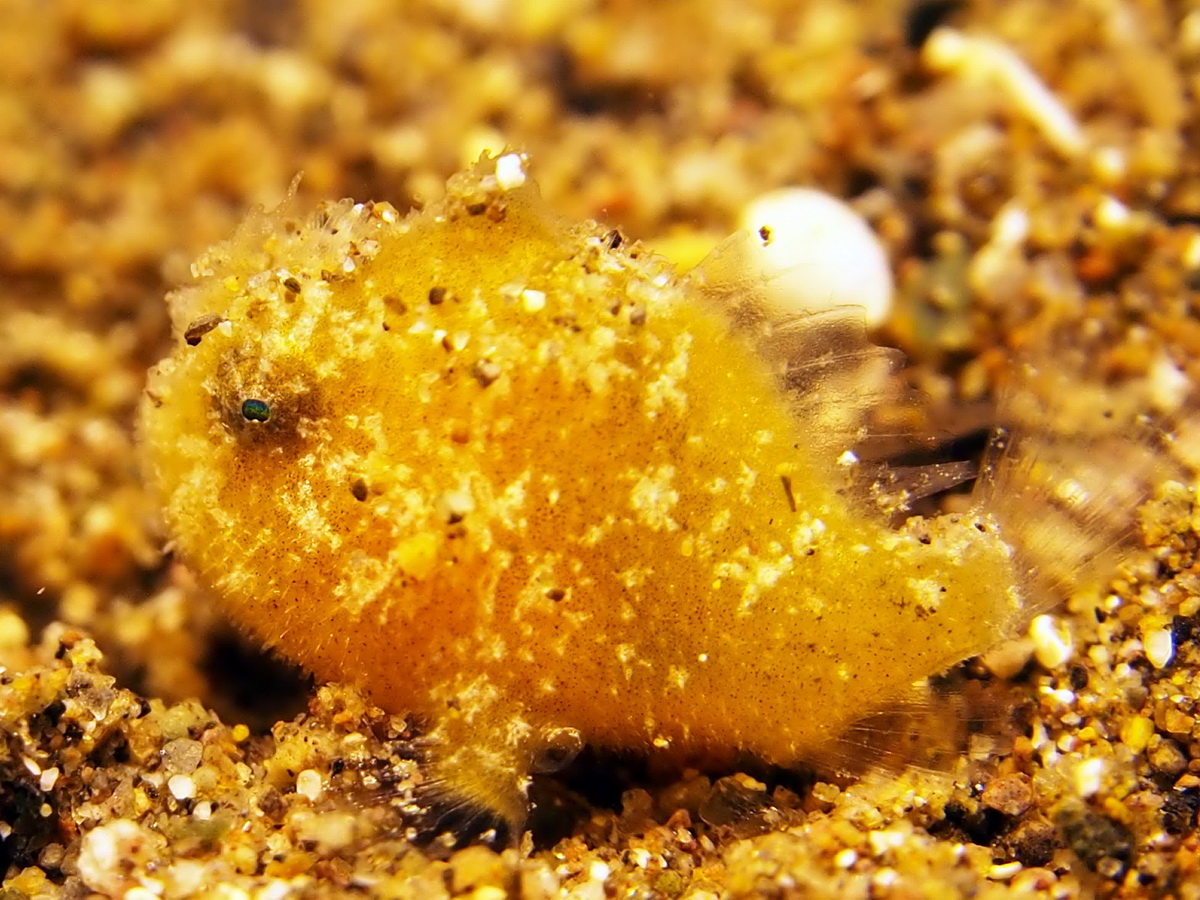
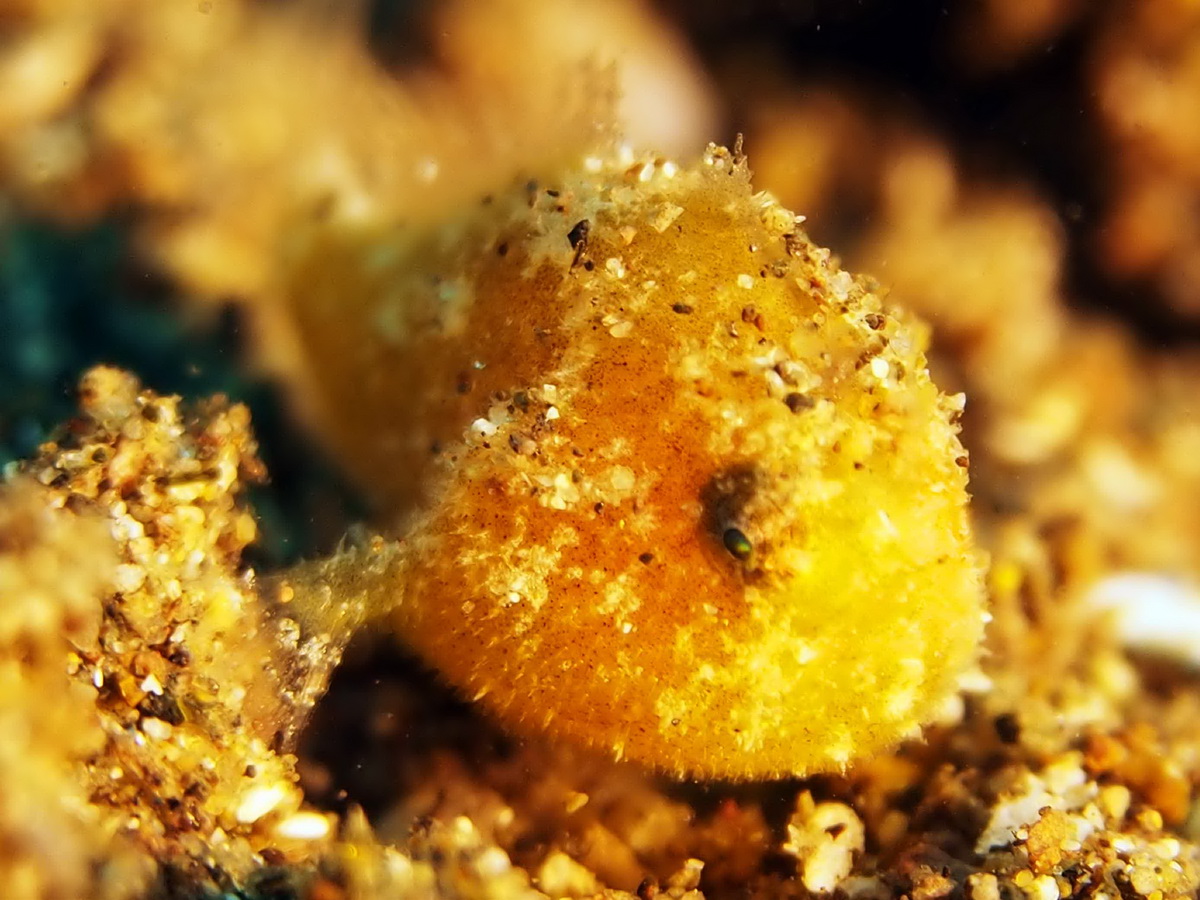
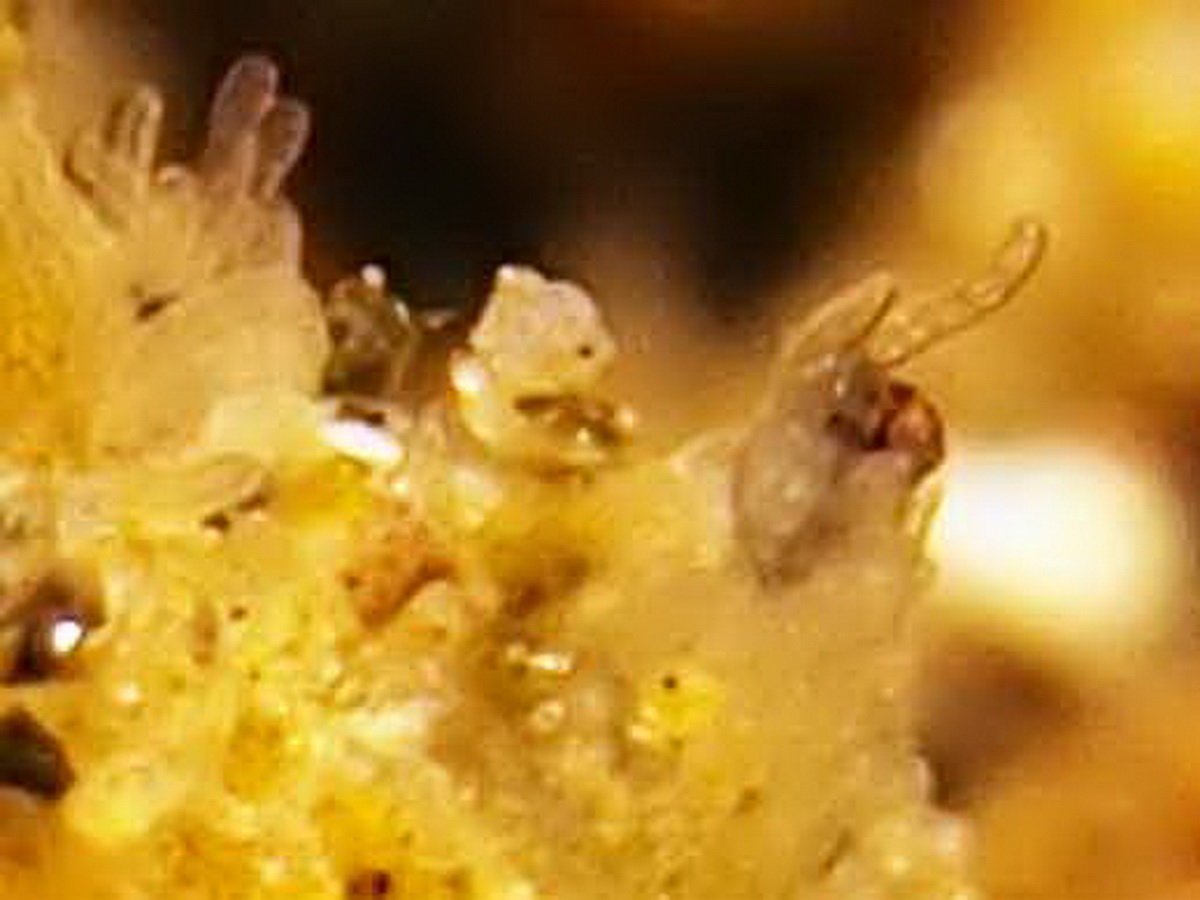
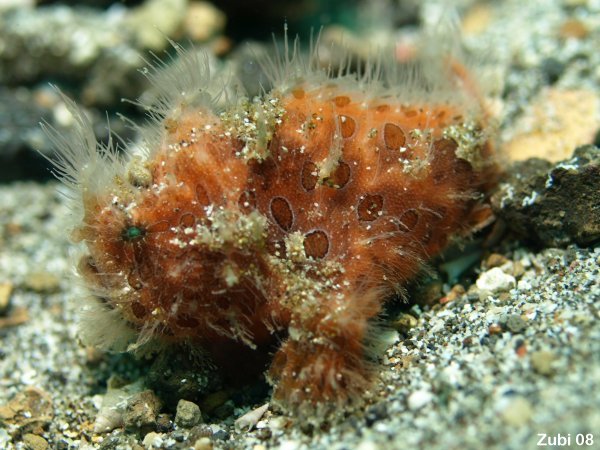
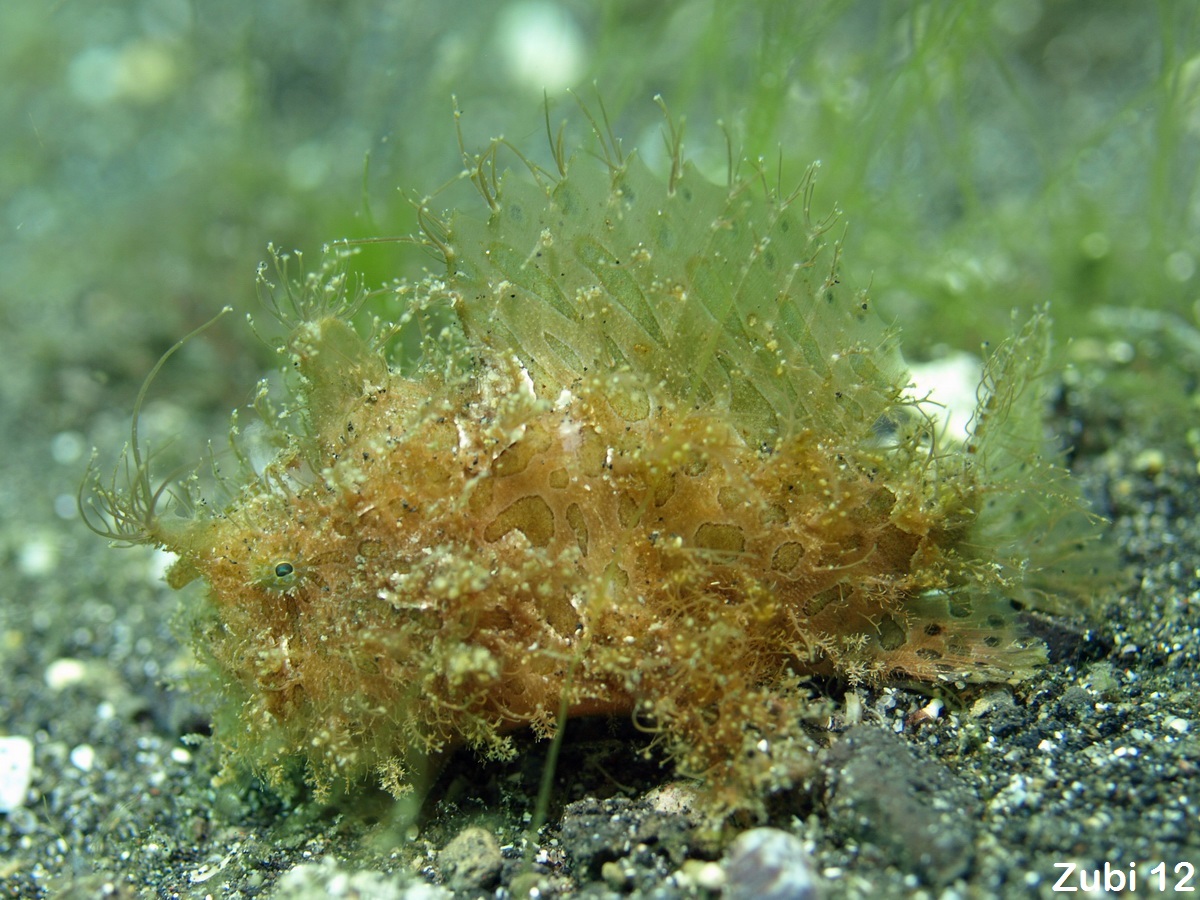
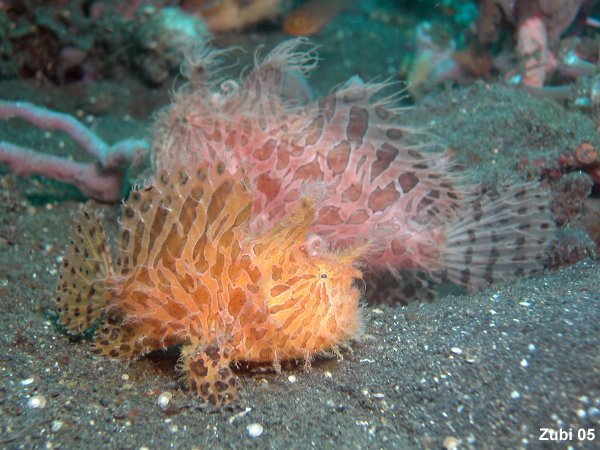
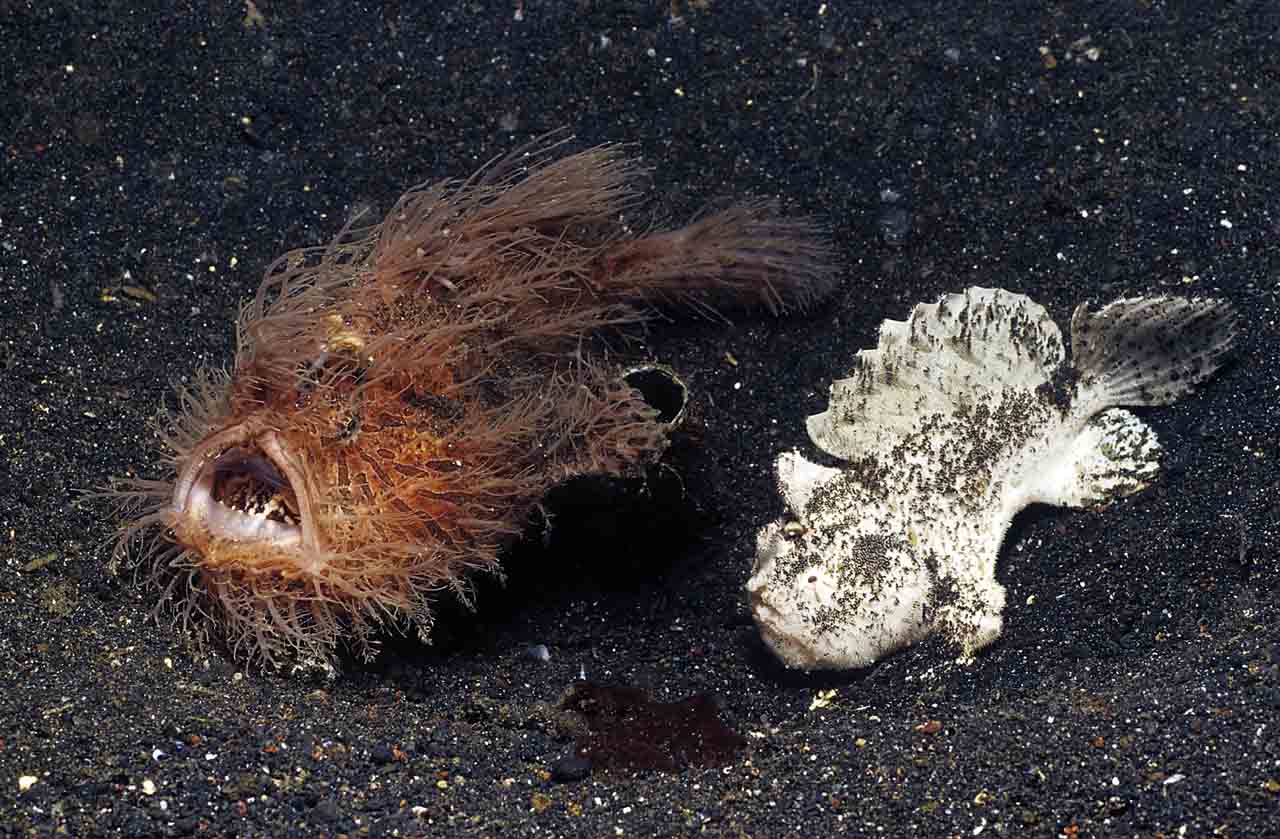
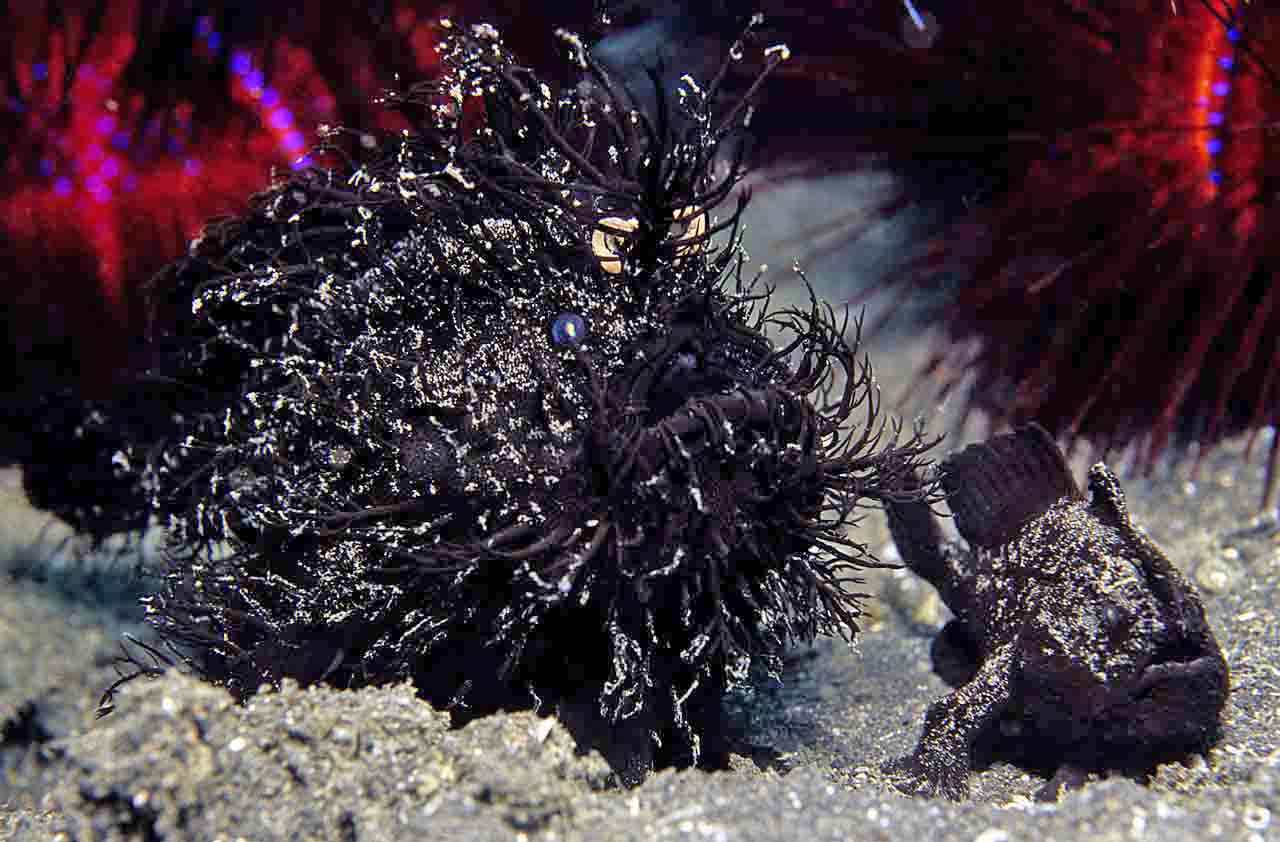
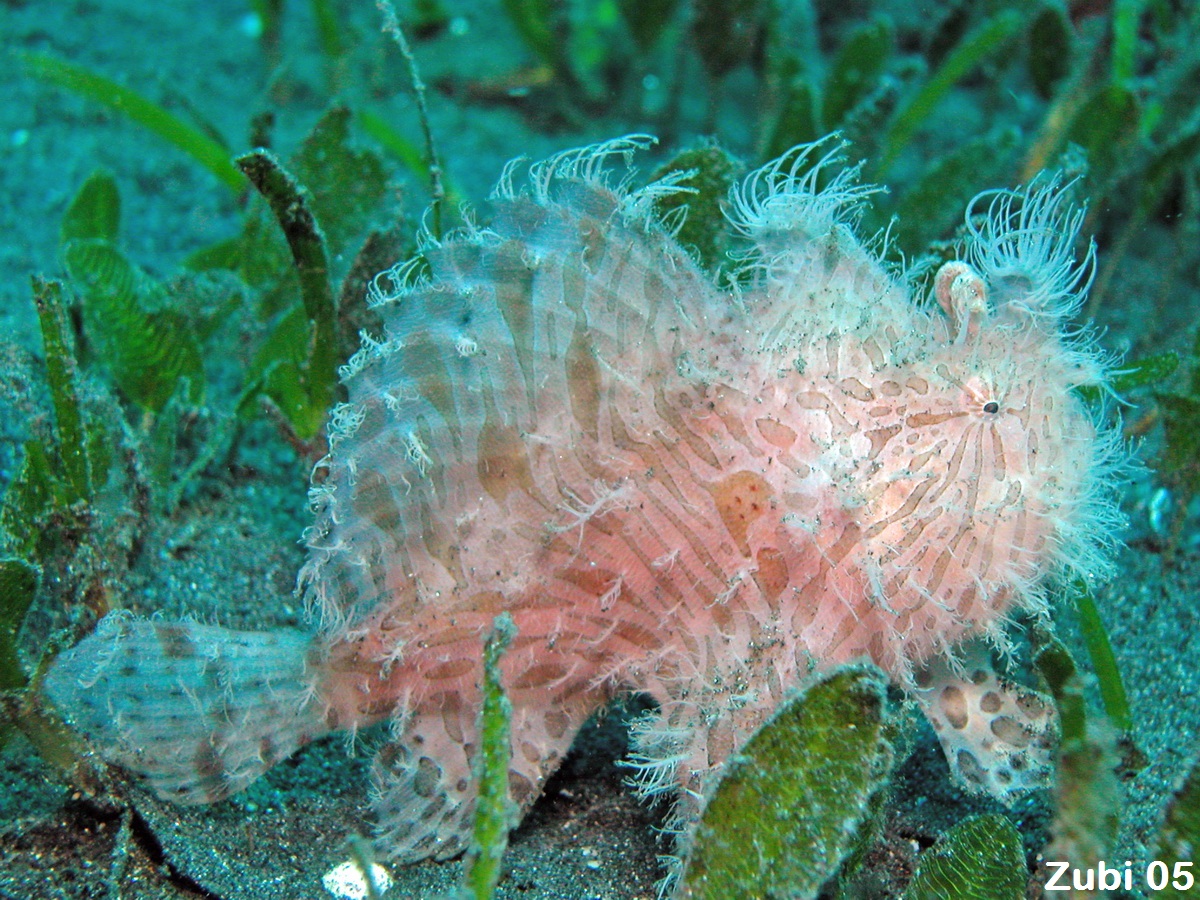
The striped frogfish is also called hairy frogfish
because of its filamentous skin appendages Characteristics - Antennarius striatus - Merkmale
|
||
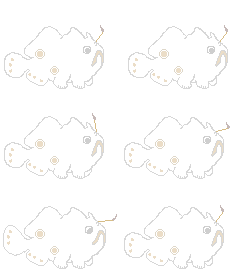
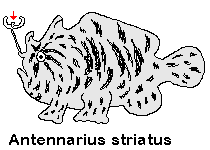
| Illicium and Esca:
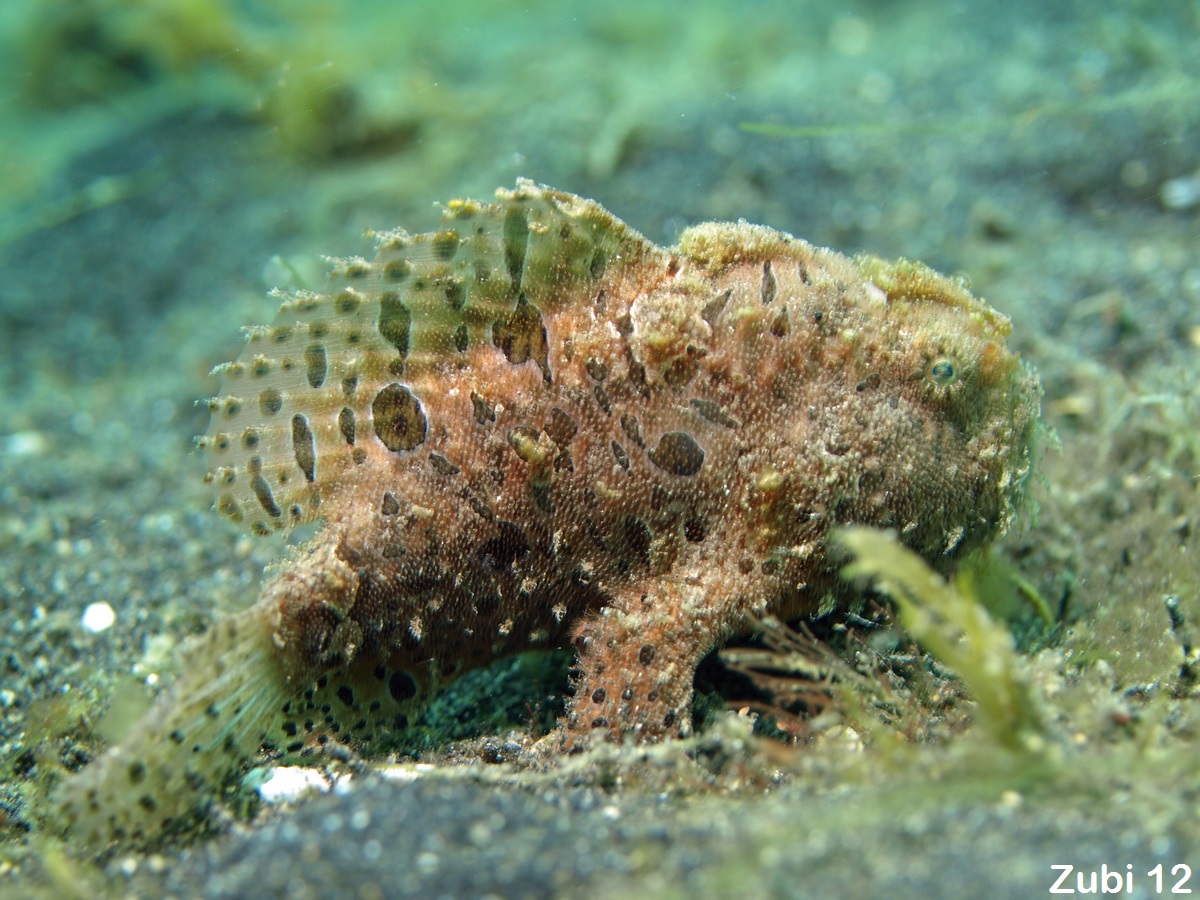
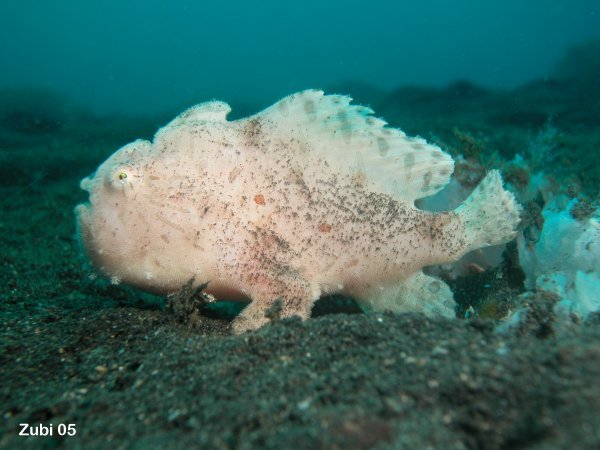
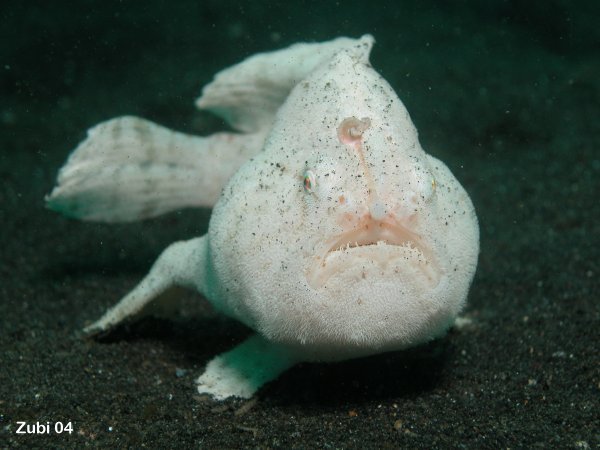
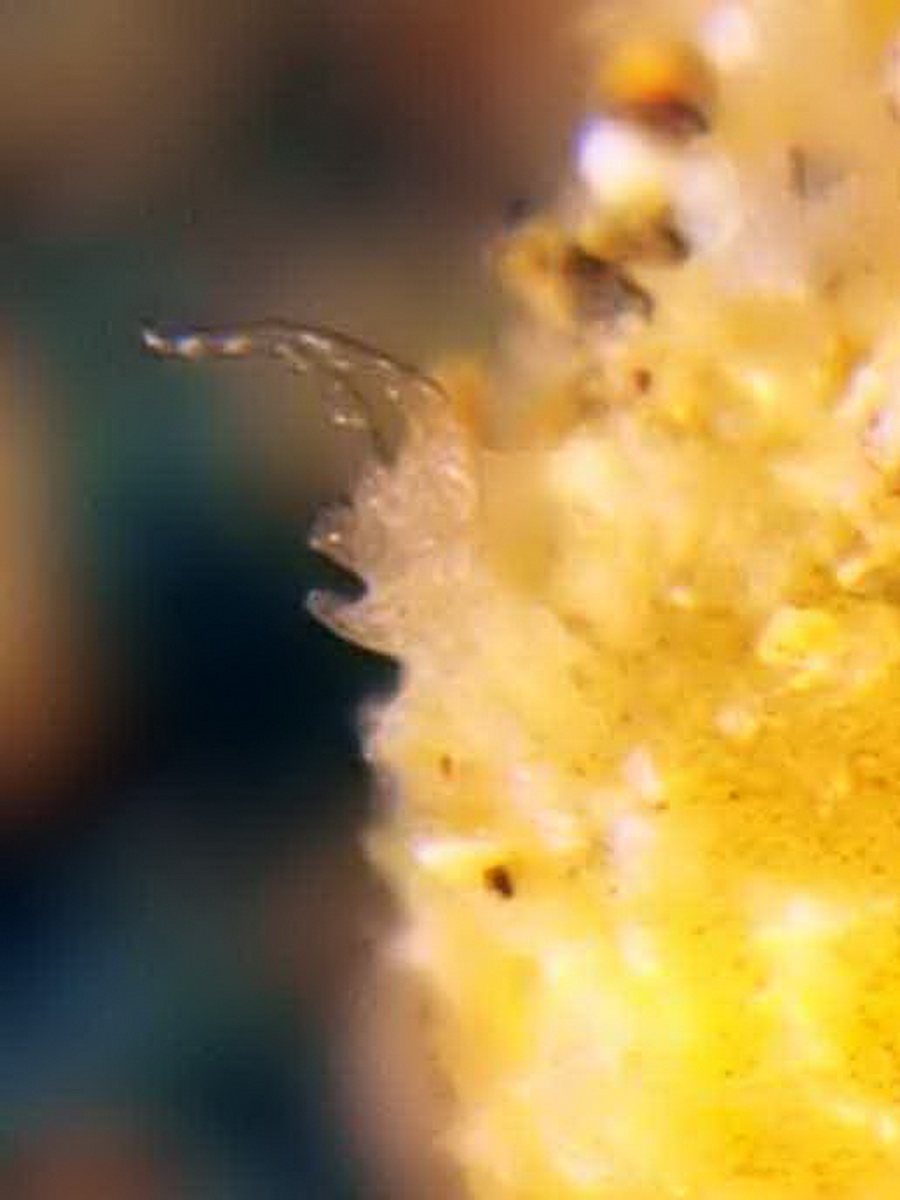
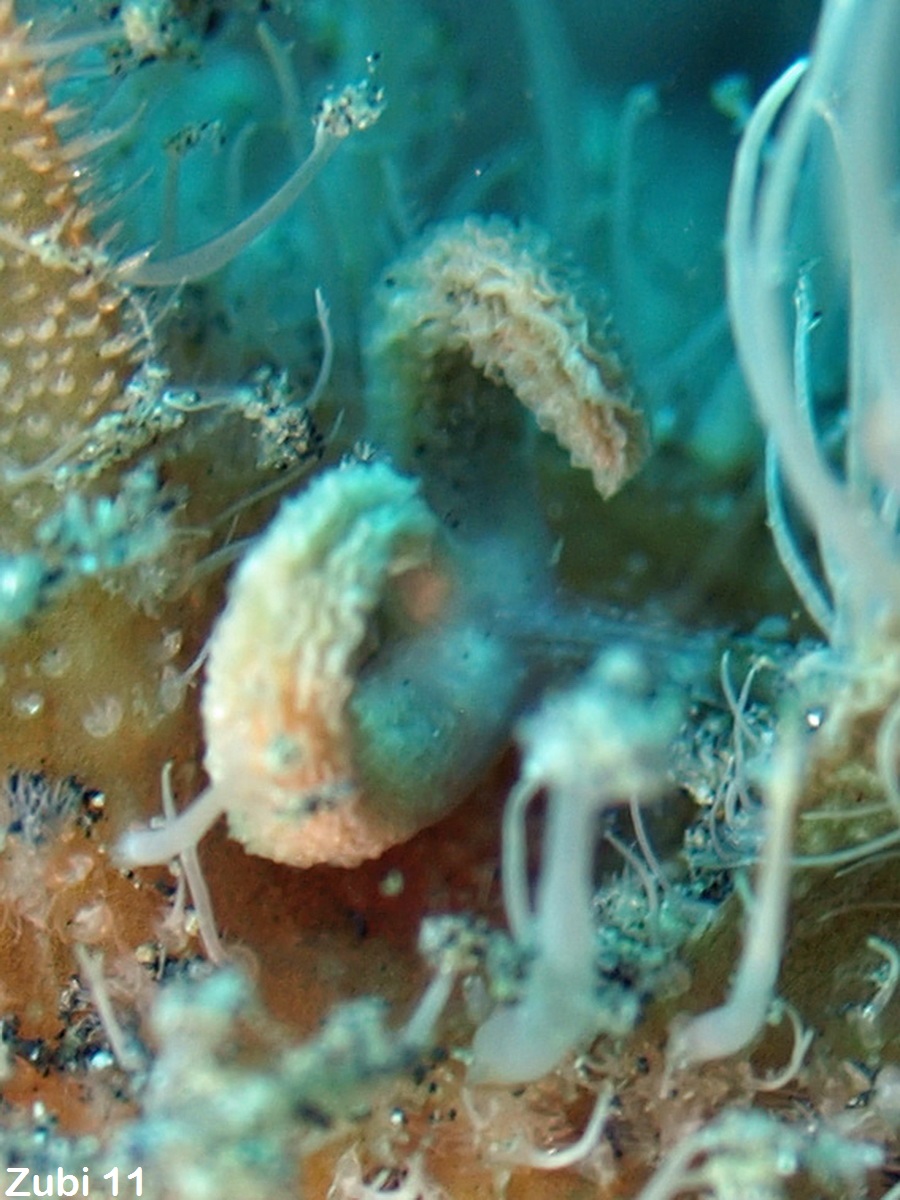
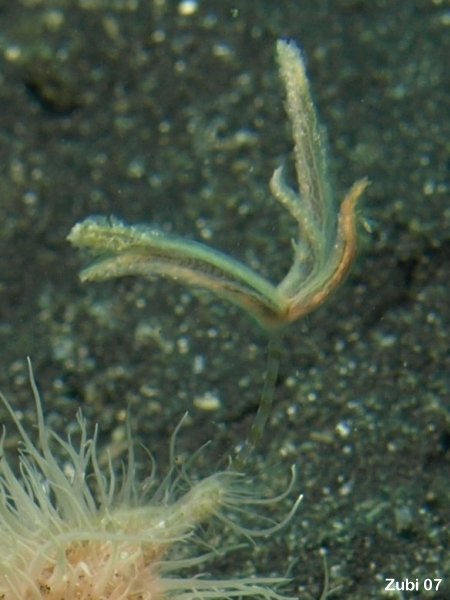
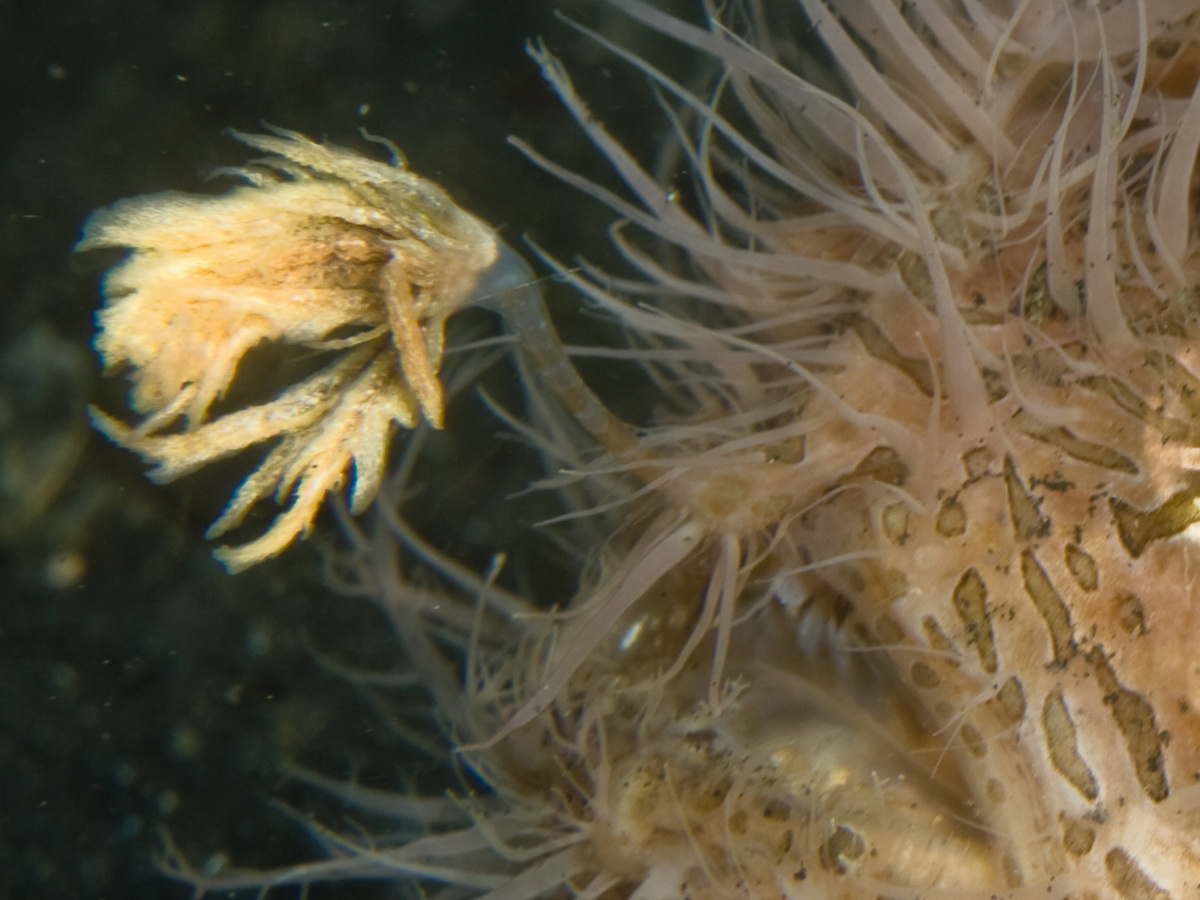
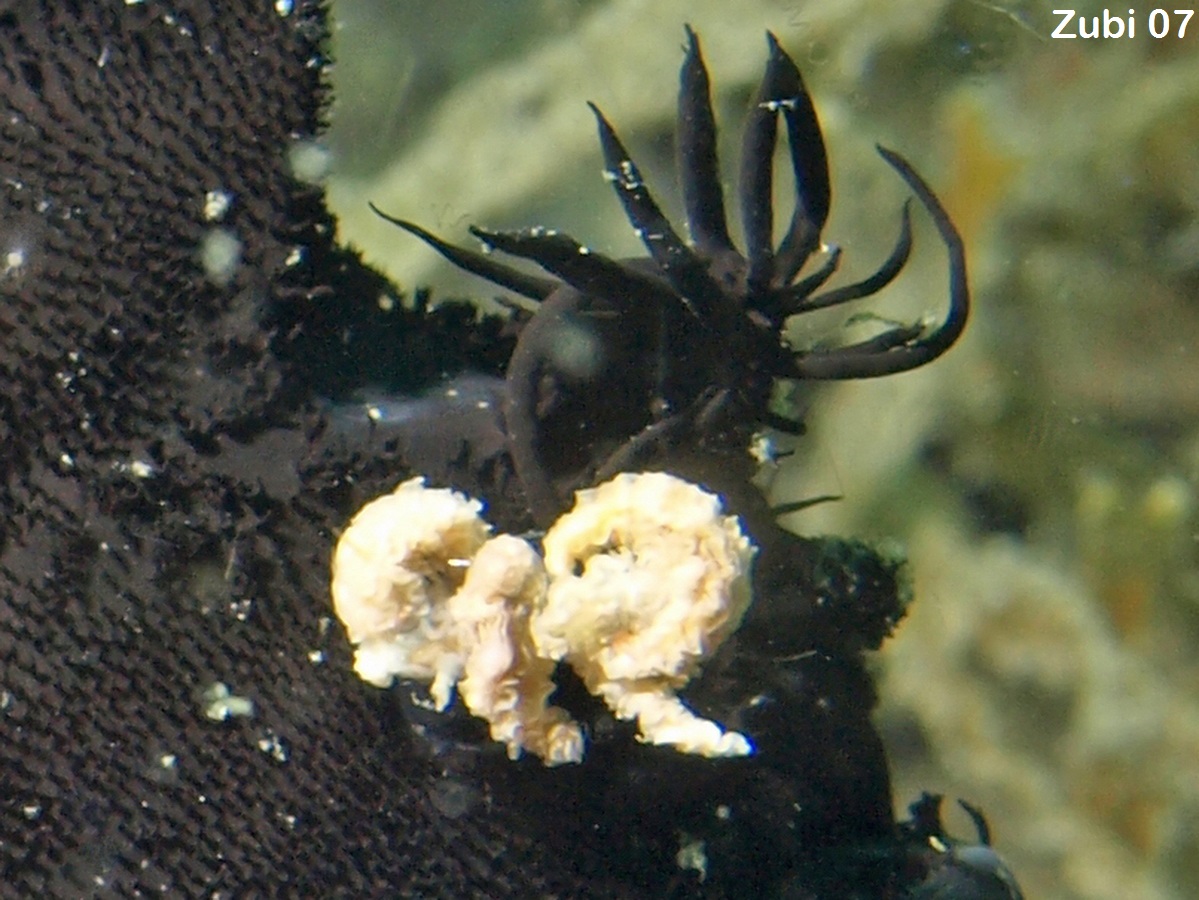
Illicium (rod) about the length of 2nd spine. Esca (lure, bait) with 2-7 thick worm-like appendages. Additional Characteristics: Brown-black stripes and blotches, no ocelli. Blotches can be oval. Video More Information: Widespread. Antennarius striatus (Striped, Striated,
Splitlure, Zebra or Hairy frogfish) belongs to the Antennarius striatus
group and is closely related to Antennarius hispidus, but that frogfish has a very bushy lure.
Larvae of Antennarius stiatus PDF (p. 731) Link to fishbase / Pietsch & Grobecker p.54 Can be confused with: Antennarius hispidus looks very similar but has a large oval-shaped tuft as a lure. |
|
Illicium
und Esca: Illicium (Angel, Rute) etwa so lange wie 2. Stachelstrahl. Esca (Köder) mit dicken 2-7 wurmähnlichen Anhängseln. Weitere Merkmale: Hat schwarzbraune Streifen und Flecken, keine Ocelli. Flecken können oval sein. Video Zusatzinformationen: Weit verbreitet. Antennarius striatus (Gestreifter oder Streifen Anglerfisch) gehört zur Antennarius striatus Gruppe und ist nahe mit Antennarius hispidus verwandt. Dieser hat jedoch einen sehr buschigen Köder. Larven von Antennarius stiatus PDF (S. 731) Link zu fishbase (englisch) / Pietsch & Grobecker S. 54 Wird verwechselt mit: Antennarius hispidus sieht ähnlich aus aber hat einen buschigen Köder. |



Habitat - Antennarius striatus - Lebensraum |
||||||||||||||||||||||||||||||||||||||||||||||||||||||||||||||||||||||||||||||||||||||||||||||||||
| Sand, rubble and
mud, grassy substrates with scattered objects (corals, sponges etc.)
can also live at great depths (to 219m).
I have mostly found the striped frogfish on sand or rubble although
some books say they are also found on rocky inshore reefs and
coral reefs. |
Sand, Geröll
und Schlamm, Seegras-Gebiete mit einigen Objekten (Korallen, Schwämme)
kann auch in grossen Tiefen leben (bis 219m).
Den gestreiften Anglerfisch habe ich immer auf
Sand- oder Geröllgebieten gefunden, obwohl in einigen Bücher
erwähnt ist, dass sie auch auf Korallenriffen leben. |
|||||||||||||||||||||||||||||||||||||||||||||||||||||||||||||||||||||||||||||||||||||||||||||||||
|
Range - Antennarius striatus - Verbreitung
|
||||||||||||||||||||||||||||||||||||||||||||||||||||||||||||||||||||||||||||||||||||||||||||||||||
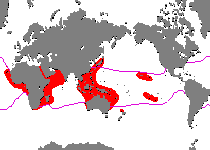
| Red
Sea, East Africa to Tahiti (Indopacific), East Atlantic,
Japan to New
Zealand. Wide spread but difficult to find. |
Rotes
Meer, Ostafrika bis Tahiti (Indopazifik),
Ostatlantik,
Japan bis Neuseeland.
Weit verbreitet, aber schwierig zu finden. Westatlantik: hier lebt die ähnlich aussehende Art Antennarius scaber |
|||||||||||||||||||||||||||||||||||||||||||||||||||||||||||||||||||||||||||||||||||||||||||||||||
Photos - Antennarius striatus - Fotos |
||||||||||||||||||||||||||||||||||||||||||||||||||||||||||||||||||||||||||||||||||||||||||||||||||
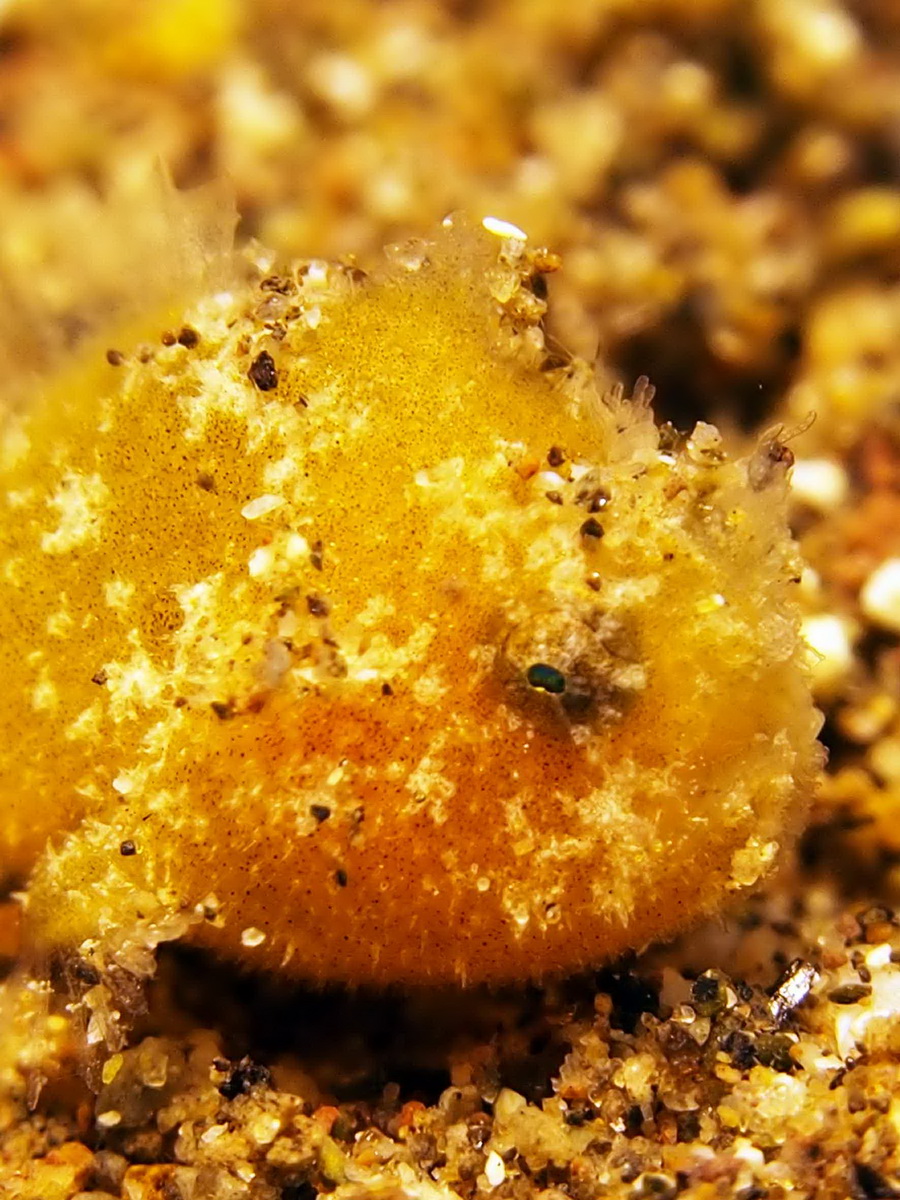
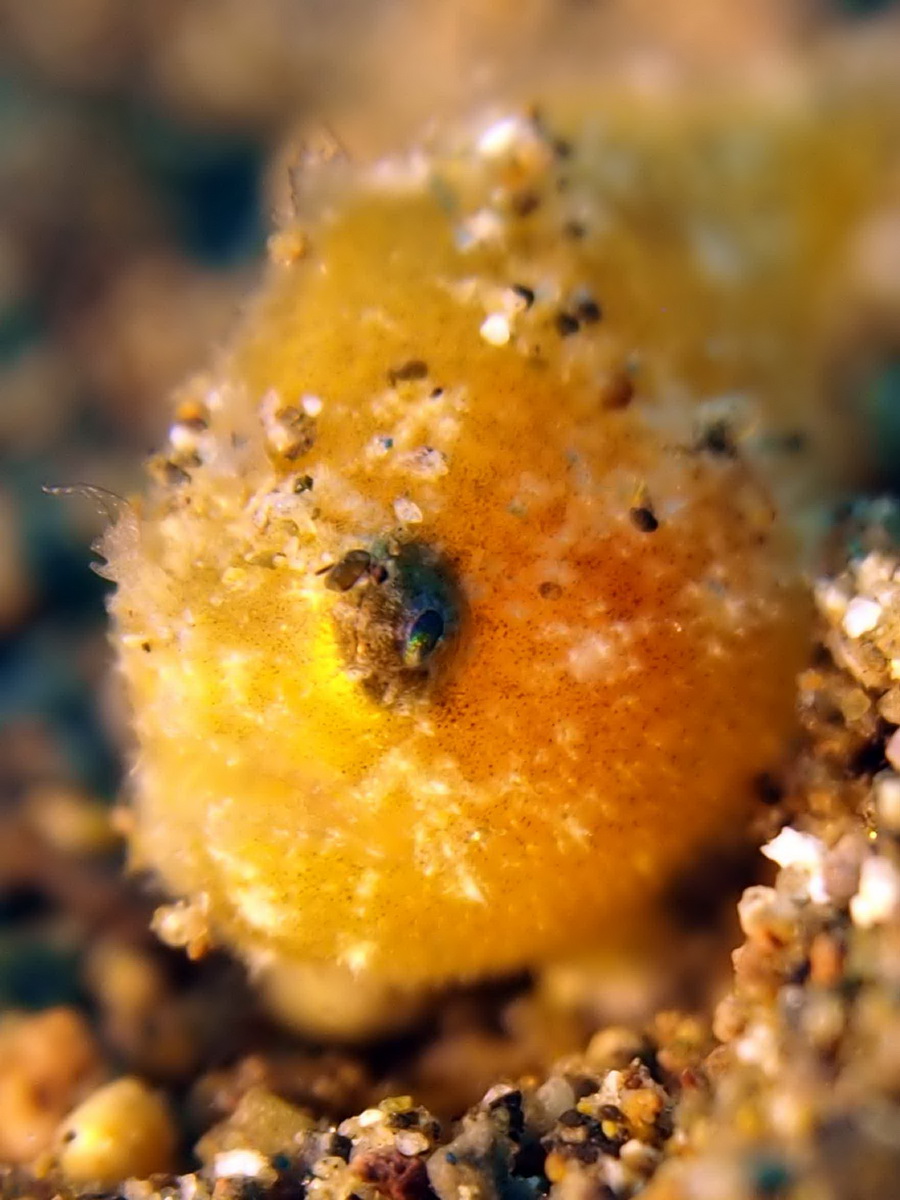
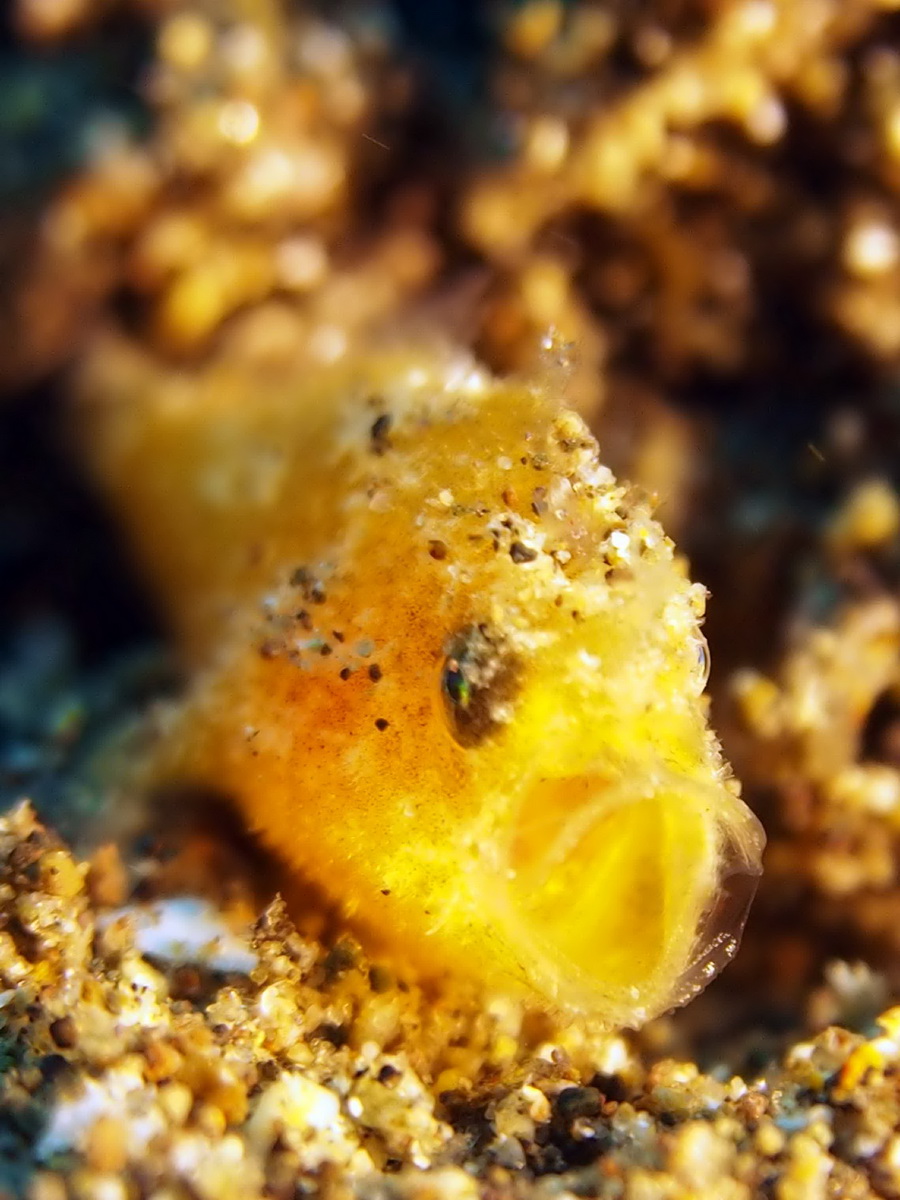
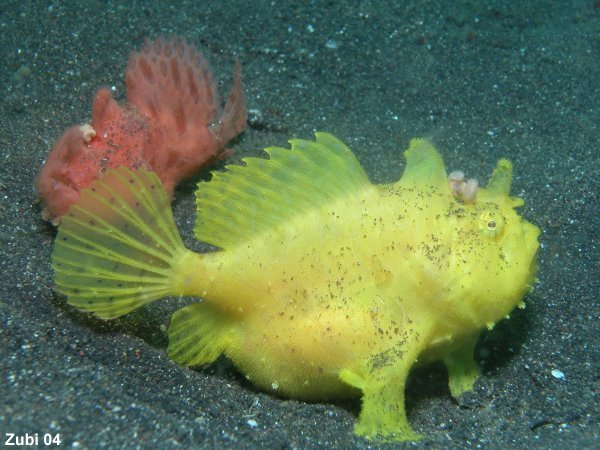
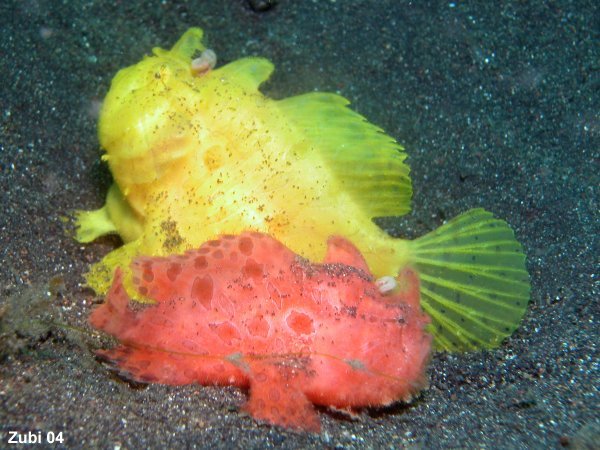
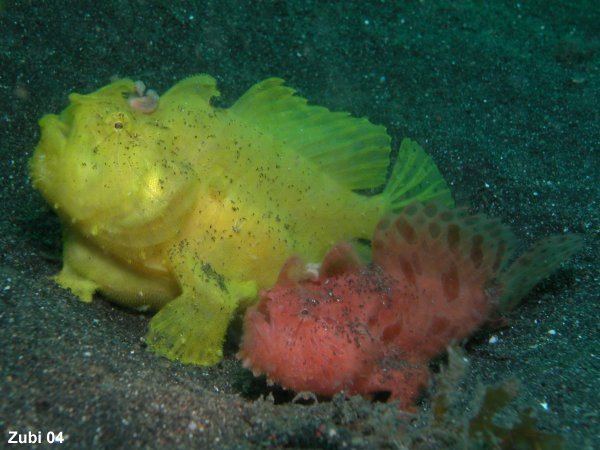
| Alle Anglerfisch-Fotos / Anglerfisch-Fotos von Zubi. Weitere Bilder von Antennarius striatus. |
||||||||||||||||||||||||||||||||||||||||||||||||||||||||||||||||||||||||||||||||||||||||||||||||||
All photos - Lembeh,
Manado, Maumere,
Indonesia
- Alle Fotos |
||||||||||||||||||||||||||||||||||||||||||||||||||||||||||||||||||||||||||||||||||||||||||||||||||